When a technician inspects a garage door, the same handful of problems turn up again and again: worn springs, frayed cables, doors that have drifted off balance, and safety features that have stopped doing their job. Most of these are straightforward garage door repairs if they are caught early. Left alone, they get more expensive and, in a few cases, genuinely dangerous.
Here is what we find most often during inspections across Newcastle, Lake Macquarie and the Central Coast, what each fault means, and which ones mean the door should not be used until it is fixed.
Worn or broken springs
Springs are the hardest-working part of the door and the most common thing we replace. They counterbalance the full weight of the door, so they take a beating every time it opens.
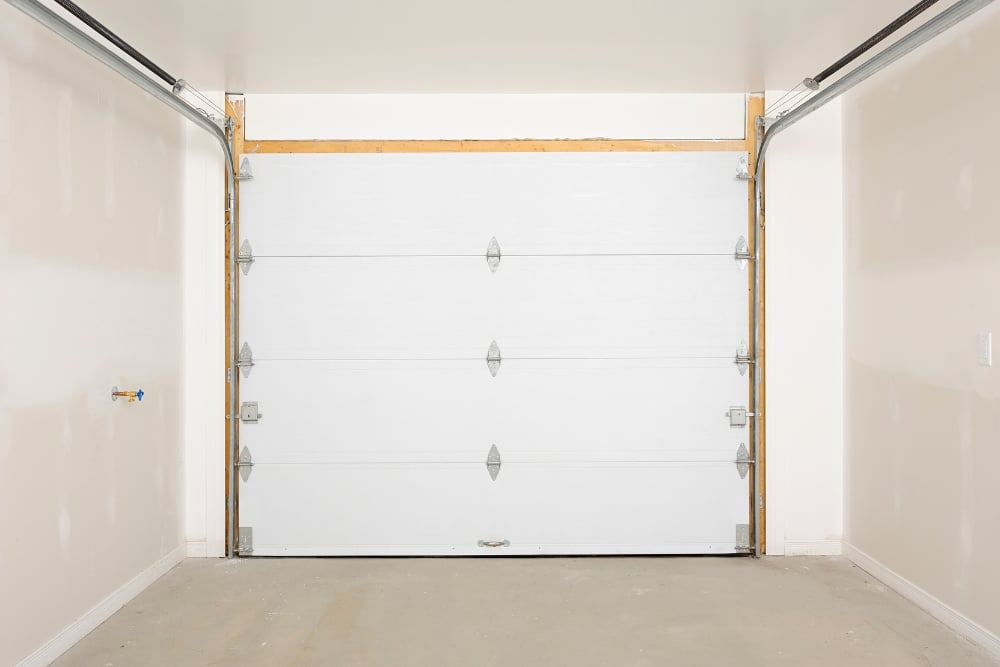
Standard torsion and extension springs are rated to roughly 10,000 cycles, which works out to about seven to ten years on a door used a couple of times a day. Homes where someone works from home or runs a business out of the garage burn through them faster. During an inspection we look for gaps in the coil, rust, and a door that feels heavy or drops too fast when lifted by hand.
Springs are never a DIY job. The tension stored in them is enough to cause a serious injury if released the wrong way, which is why spring replacement is always left to a technician.
Frayed or loose cables
The lifting cables work alongside the springs and carry a lot of tension too. They run from the bottom of the door up to drums near the top, and over time the strands start to fray, especially in coastal areas where salt speeds up corrosion.
A frayed cable is easy to miss until it lets go. When one breaks, the door can hang crooked, jam, or drop on one side. It is one of the clearer signals that a door has moved into the category of things best left to a professional rather than tackled at home.
Doors off balance or off track
A quick balance test tells us a lot. With the opener disconnected, the door should hold its position when lifted halfway. If it slides shut or springs upward, the counterbalance is off, and the motor has been picking up the slack.
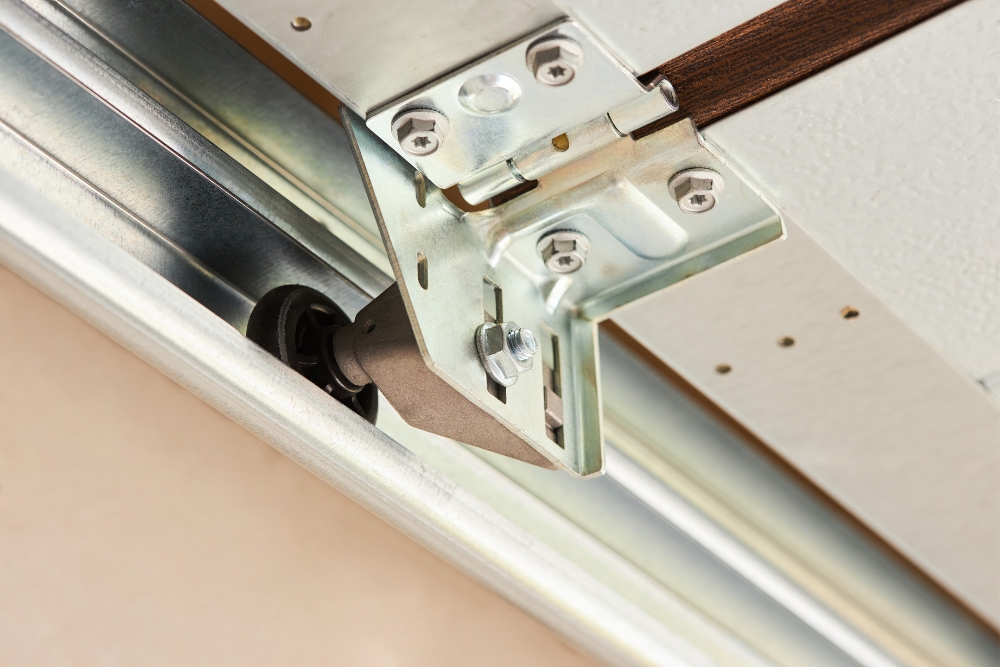
We also check the tracks. They cop a lot of incidental knocks down low, where cars, bikes and general clutter catch them. A bent or misaligned track makes the door bind and run unevenly, which wears the rollers faster. Minor misalignment can be adjusted on the spot. A heavy bend from vehicle contact usually means that section needs replacing.
Faulty safety sensors and auto-reverse
This is the finding we take most seriously. A garage door is the heaviest moving object in most homes, often well over 100 kilograms, so the systems that stop it crushing something matter.
Two things get checked. The first is the auto-reverse function. You can test it at home: close the door onto a solid object like a timber block, and it should reverse the moment it makes contact. The second is the infrared safety beam across the opening, which should stop and reverse the door if anything breaks the beam on the way down. Salt air and dust knock these sensors out of alignment, so they need cleaning and testing.
If either system fails, the door should be booked in rather than kept in use, particularly in homes with children or pets. The Sydney Children’s Hospitals Network notes that garages and driveways are an unexpected danger for young children, so a working reversing system is not something to put off.
Worn rollers, loose hardware and dry parts
Plenty of what we find is simple wear that has just gone unattended:
- Rollers that have cracked or developed flat spots, which causes grinding and drag
- Bolts, brackets and hinges loosened by years of vibration
- Dry moving parts that have never been lubricated, making the door noisy and stiff
None of these are dramatic on their own, but together they make a door work harder than it should, which shortens the life of the opener. A new noise is usually the first clue, and our guide to garage door noises breaks down what each sound tends to mean.
Rust, perished seals and panel damage
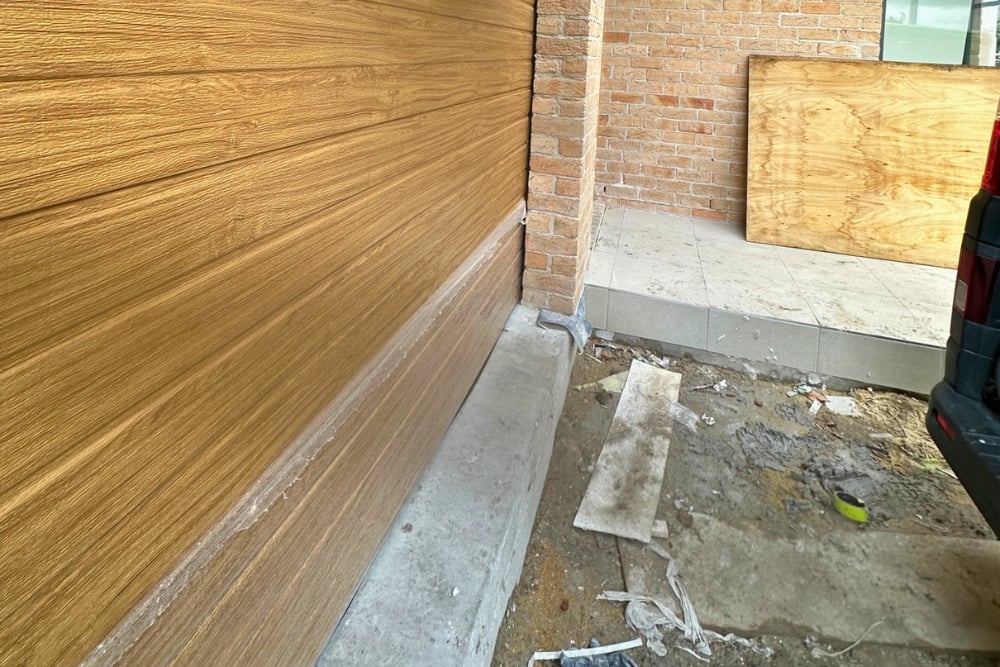
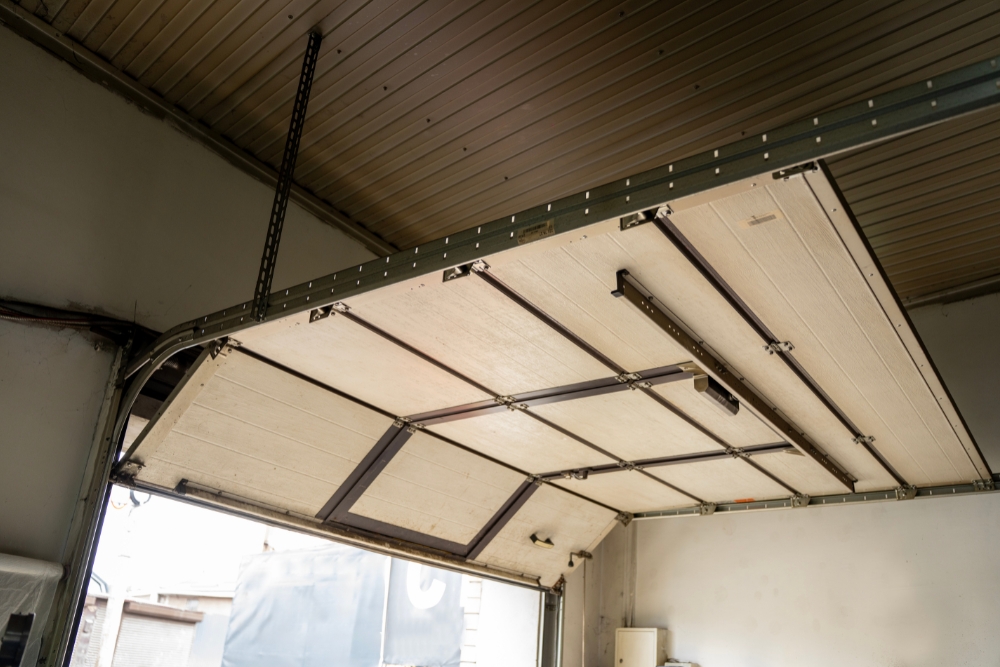
Coastal and Hunter homes see more corrosion than inland ones. Salt settles on the metal and works away at panels, tracks and hardware, so rust along the lower panels is a regular finding. Once it takes hold the metal weakens and the affected part usually needs swapping out.
Weather seals are another easy one to overlook. A cracked or flattened bottom seal lets in water, dust and pests, and near the coast it lets salt grit collect under the door where it eats at the tracks. Seal replacement is a low-cost fix that prevents bigger problems later.
Repair or replace?
Most of these findings are repairs, not replacements. Springs, cables, rollers, seals, track adjustments and sensor work are all routine and quick to sort out. The picture changes when several components fail at once, or when the door is old enough that corrosion has reached the structure. At that point ongoing repairs stop making sense, and it is worth weighing them against the signs that point to a full replacement.
Book an inspection
Coast to Valley Garage Doors inspects and repairs doors right across Newcastle, Lake Macquarie, the Hunter Valley, Port Stephens and the Central Coast. Every job comes with a clear report on what we find, so you know exactly what needs doing and what can wait.
Call us on 02 4955 3332 or get in touch through our website to arrange an inspection.