If your garage feels freezing in winter or too hot in summer, insulation is probably missing. Many Australian garages lose heat or trap it because the door isn’t sealed properly, making nearby rooms harder to keep comfortable.
Even when walls and ceilings are insulated, an unsealed garage door can undo that work. Heat escapes in cold months and builds up in warmer ones, forcing air conditioning or heating systems to run longer.
Adding insulation helps keep the garage temperature steady and protects tools, cars, and storage from damage caused by heat or dampness. It can also reduce noise and improve how well your air system works.
This guide explains which insulation materials to use, how to handle a DIY job, and when to call a technician. It also covers average costs and common products available in Australia. Done right, insulation makes garages easier to use year-round and helps reduce energy use.
Why It’s Worth Insulating Your Garage Door
Garage door insulation helps lower energy use and make the space more practical. When the door is sealed and insulated, it prevents air leaks that cause heat loss in winter and heat gain in summer. This keeps nearby rooms more comfortable and reduces how hard heating or cooling systems need to work.
Main benefits of garage door insulation include:
- Lower energy costs
- Reduced noise from outside or door operation
- More comfortable garage environment
- Longer lifespan for stored tools, paint, and appliances
- Better temperature control for nearby rooms
Once the door is insulated, the garage stays usable year-round. It’s ideal for spaces used as workshops, laundries, or home gyms. If the door still makes noise after insulation, see the garage door noise guide for simple fixes and maintenance checks. Proper sealing ensures both thermal and acoustic benefits without adding strain to the door’s operation.
Choosing the Right Insulation Material
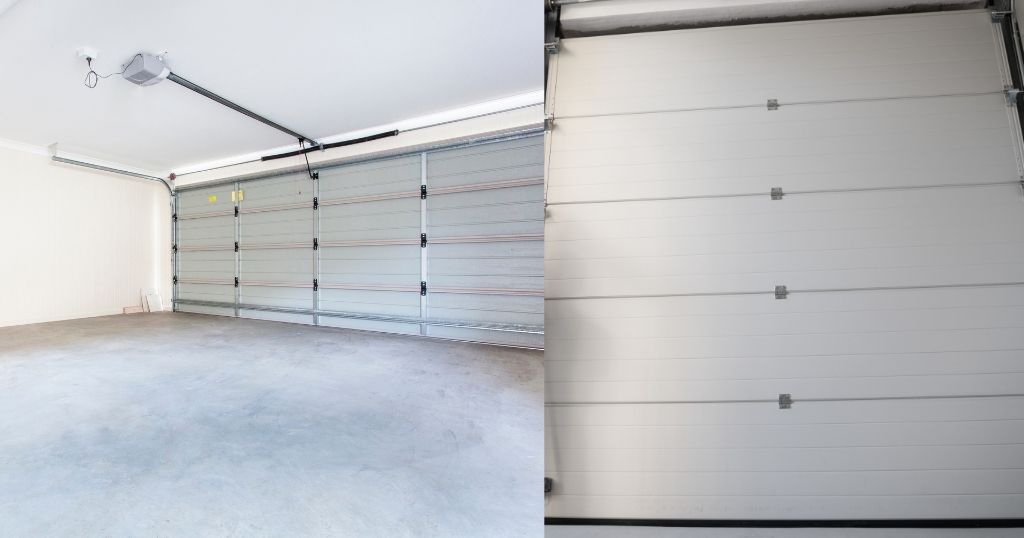
The best insulation depends on the garage door type and how the space is used. Each material has a different level of thermal resistance, durability, and installation difficulty. Knowing these differences helps you choose the most suitable option for your setup and climate.
Common materials used for garage door insulation include
- Polystyrene panels
- Spray foam
- Reflective foil
- Fibreglass batts
Polystyrene panels suit flat steel doors. They are light, simple to cut, and must be sealed around the edges to reduce heat loss. Spray foam gives the highest R-value and fills small gaps but should be applied by a technician.
Reflective foil deflects sunlight and suits garages exposed to heat. It can be layered with foam for extra performance. Fibreglass batts are flexible and inexpensive, fitting framed doors well but must stay dry to keep their insulation strength.
For most Australian garages, R-values between 2 and 8 provide effective protection against heat and cold.
What to Expect From a DIY Insulation Project
If you plan to insulate your garage door yourself, expect a simple project that can be done in a few hours. It doesn’t need special tools, but careful measuring and sealing are important for good results. Most people notice the garage feels more comfortable once the job is finished.
Basic steps for a DIY insulation project
- Safety gear and setup
- Panel measurement
- Cutting and placement
- Sealing and checking
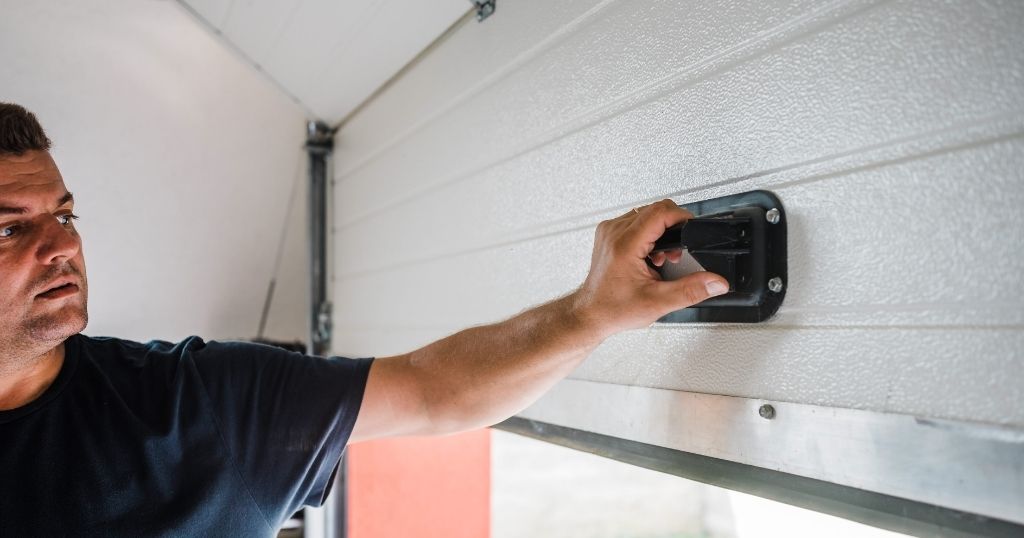
Wear gloves, safety glasses, and a mask when working with fibreglass. Measure each panel separately, as sizes can differ. Cut the insulation to fit and attach it with clips, adhesive, or tape. Once all panels are in place, seal the edges with foam tape or weather-stripping to stop air leaks.
You can expect better temperature control and less noise after installation. For older or heavy doors, ask a technician to check the door balance before adding insulation.
When It Makes a Difference to Insulate
Garage door insulation helps most when the garage connects to rooms that are used every day. It stops hot or cold air from moving into nearby areas, keeping the home more comfortable and reducing power use.
Insulation makes a clear difference when
- The garage shares a wall or ceiling with a bedroom or living room
- The space is used for work, laundry, or exercise
- Stored items need stable temperature or low moisture
- The garage gets direct sun or strong wind exposure
In these situations, insulation reduces the strain on heating or cooling systems and keeps the garage usable through all seasons. Homes in warmer parts of Australia often notice the biggest improvement during summer, when doors absorb heat from the sun.
Even in cooler areas, insulation helps prevent condensation on metal doors and protects stored tools or appliances from dampness. It’s a practical upgrade that improves comfort without major changes to the door setup.
How Long Garage Door Insulation Lasts
Garage door insulation can last for many years when fitted and sealed correctly. The lifespan depends on the material, how often the door is used, and the level of exposure to heat, moisture, and dust. In most Australian conditions, good insulation stays effective for a decade or longer.
Average lifespan by insulation type
- Polystyrene panels – around 10 to 15 years
- Spray foam – 15 to 20 years with proper sealing
- Reflective foil – about 8 to 12 years
- Fibreglass batts – 10 years or more if kept dry
Regular checks help extend performance. Look for loose panels, peeling edges, or signs of moisture damage. Reseal gaps when needed to prevent heat loss and water entry.
If the garage door is used daily, inspect the insulation each year during maintenance. Consistent care keeps the material in good condition and maintains the door’s thermal efficiency.
When It’s Better to Hire a Technician
Hiring a technician is worth considering if the garage door has a complex design or heavy panels. Some insulation jobs are not suited to DIY work, especially when incorrect fitting could affect door balance or safety.
Professional help is recommended when
- The door has curved or detailed panels
- Spray foam insulation is being used
- Time is limited for proper installation
- There are signs of strain on the opener or hinges
A trained installer checks door alignment, spring tension, and motor settings before adding insulation. This prevents the door from becoming unbalanced or too heavy for its motor.
In Australia, many older or timber-style garage doors need custom fitting to avoid damage during insulation work. A technician can also confirm which materials comply with safety and energy standards.
Professional installation ensures correct weight balance, keeps warranties valid, and avoids long-term wear on door parts.
Final Advice from Coast to Valley Garage Doors
Garage door insulation works best when installed evenly and sealed at all edges. Small gaps, loose panels, or uneven fitting can reduce its performance and allow hot or cold air to move through. Regular checks keep insulation in good condition and help prevent early wear.
When upgrading or replacing a door, choose insulation that matches the door type and local climate. Steel, timber, and sectional doors each respond differently to temperature changes. Reflective insulation helps reduce heat in sunny areas, while foam and fibreglass perform better in cooler regions.
You can view the available options and designs in the garage doors service range to see which models include built-in insulation. These doors often provide better results with less maintenance over time.
After installation, check the door’s balance and opener strain. A quick adjustment can prevent long-term damage and keep the system running smoothly.
Get in Touch for Garage Door Help
If you’re planning to insulate your garage door or want advice on the right material and cost options in Australia, our team can assist. We inspect the door, check balance and fittings, and recommend insulation that delivers long-term results without affecting operation.
Our services include
- Garage door insulation and upgrades
- Repairs and part replacements
- New door installation and scheduled maintenance
Our licensed garage door insulation installers work across Newcastle, Lake Macquarie, Port Stephens, Central Coast and the Hunter Valley. We handle steel, timber, and sectional doors using materials suited to Australian conditions. Whether it’s a DIY-style project or professional installation, we provide reliable support to help improve comfort and reduce energy use.
Contact Coast to Valley Garage Doors today to book an inspection or request a quote for expert garage door insulation in your area.
Frequently Asked Questions
How much does it cost to insulate a garage door in Australia?
DIY insulation kits generally cost a few hundred dollars, while professional installation is usually higher depending on the door type and size.
Are garage door insulation kits effective?
Yes. Pre-cut kits designed for steel or sectional doors are easy to install and can provide strong insulation results when fitted and sealed properly.
What insulation works best in Australian conditions?
Reflective foil performs well in warmer regions, while foam or fibreglass suits cooler climates. Most homes benefit from materials with an R-value between 2 and 8.
Can older garage doors be insulated?
Yes, but older timber or thin steel doors may need a technician to check balance and fittings before installation to prevent strain on the opener or hinges.
Is it better to hire a professional installer?
DIY works for flat or panel-style doors, but professional help is safer for heavier or automated systems. Installers ensure correct alignment and safety compliance.