Garage temperatures often fluctuate with the seasons, making the space too hot or too cold to use comfortably. This impacts storage, energy use, and liveability.
Without insulation, heat enters in summer and escapes in winter. This can affect rooms next to or above the garage, increase noise, and limit how the space is used. Many homes in Lake Macquarie, Newcastle, and surrounding regions experience this every year.
Choosing between insulated and non-insulated garage doors depends on how the garage is used and its connection to the home. This guide explains the differences, costs, and performance of both options to help you choose the right fit.
What to Know About Non-Insulated Garage Doors
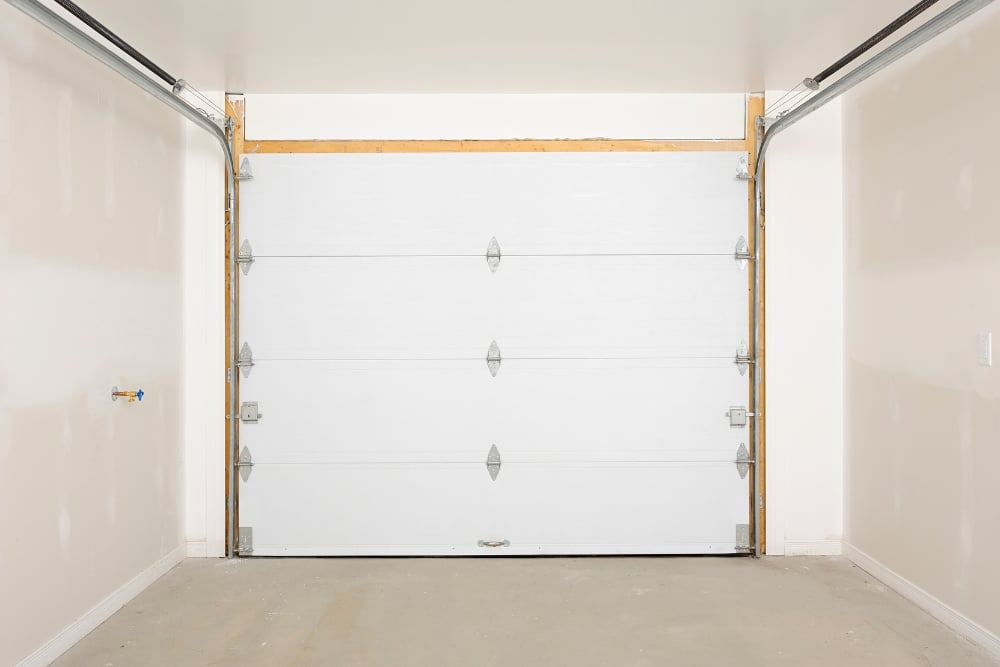
Non-insulated garage doors are made with a single layer of steel or aluminium. They are suited for homeowners who prioritise basic functionality and upfront cost savings.
- Lower cost for materials and installation
- Suitable for garages not connected to the house
- Minimal thermal or sound control
These doors are common for garages used only for parking or tool storage. If your garage is fully detached or not used for extended periods, insulation may not be a priority. However, in warmer climates or cooler regions, the inside temperature can swing sharply. This can affect vehicle condition, stored items, or overall comfort if the door is frequently used.

Benefits of Insulated Garage Doors
Insulated garage doors use a multi-layer structure that includes internal insulation material such as polyurethane or polystyrene. This design supports better performance and year-round usability.
- Helps regulate internal garage temperature
- Reduces heat transfer into the home
- Limits noise from outside and internal door movement
Polyurethane foam offers stronger insulation with better thermal resistance, while polystyrene gives reliable insulation with lower cost. These doors are ideal for attached garages or homes that use the garage as a workspace, gym, or laundry area. The added layers also help strengthen the door, making it less likely to dent or warp.

Key Differences Between the Two Options
Insulated and non-insulated garage doors each perform differently across key areas that affect how the space works, feels, and holds up. Knowing where those differences show up helps match the right door to your needs.
Temperature Control
An insulated door slows heat transfer. In warmer months, it keeps excess heat out; in winter, it helps retain warmth. This applies most when garages are used often or connected to indoor areas. A non-insulated door provides no barrier, allowing heat or cold to pass through quickly.
Energy Efficiency
Insulated doors reduce strain on air conditioning or heating in adjacent rooms. Over time, this can contribute to lower energy bills. Non-insulated doors may not directly affect the garage’s equipment but do little to shield nearby rooms from external temperatures.
Sound Control
Noise travels through non-insulated steel easily. This includes street noise, tools, lawnmowers, or garage door operation itself. Insulated doors help reduce this, supporting quieter use—especially useful for late-night access or early-morning use.
Strength and Lifespan
Multi-layer insulated doors resist flexing and dents. This benefits homes in windy or high-traffic areas, or those storing valuable equipment. Non-insulated doors dent more easily and may require earlier replacement depending on usage and exposure.
Design Options
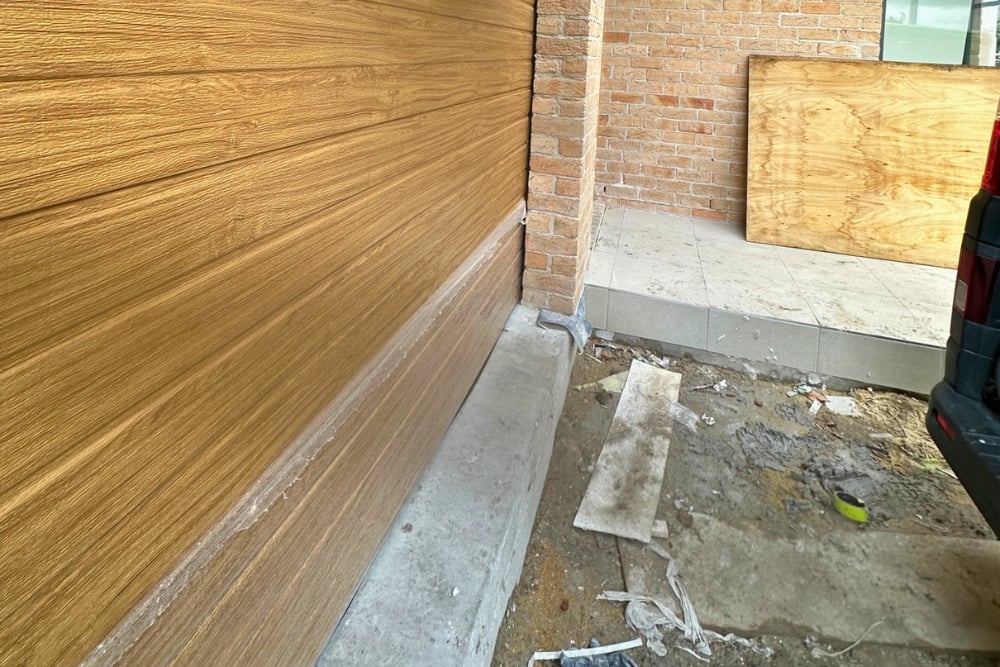
Insulated doors offer broader material and finish options. Their structure supports heavier face materials like wood-look panels, which align better with architectural cladding. Non-insulated versions have fewer layering options, limiting their surface depth or finish consistency.
How to Choose Based on Your Garage Setup
The garage’s role in your home—its location, use, and exposure to weather—determines the right door choice. The following comparisons guide you through each point.
Garage Use
If the garage is used daily for more than just parking—like running equipment, doing hands-on work, or using it as a functional room—insulation improves the environment. It creates a stable space that protects stored items, tools, and any appliances. A non-insulated door can suit a garage used infrequently or only for weather-tolerant storage.
Garage Position
Attached garages pass heat and cold to the rest of the home. Insulation can stop this, protecting indoor temperatures. Detached garages aren’t connected but can still affect stored contents. Insulation helps stabilise the internal conditions of both, but is especially important when the garage is part of the house envelope.
Budget Planning
If initial cost is your main factor, non-insulated doors save on installation. However, if you’re expecting to use the space for years or want reduced heating and cooling load, an insulated door pays off. Weigh upfront savings against ongoing use and exposure.
Climate
Homes in areas like Newcastle, Lake Macquarie, and the Hunter Valley face seasonal temperature swings. An insulated garage door prevents extreme heat build-up or winter chills in the garage, reducing how much the home’s HVAC system compensates.
Appearance
Garage doors are prominent from the street. Insulated doors retain shape, resist dents, and often feature premium finishes or textures that hold up better over time. If you’re investing in other façade or cladding upgrades, an insulated door supports that finish.

Maintenance and Installation Tips
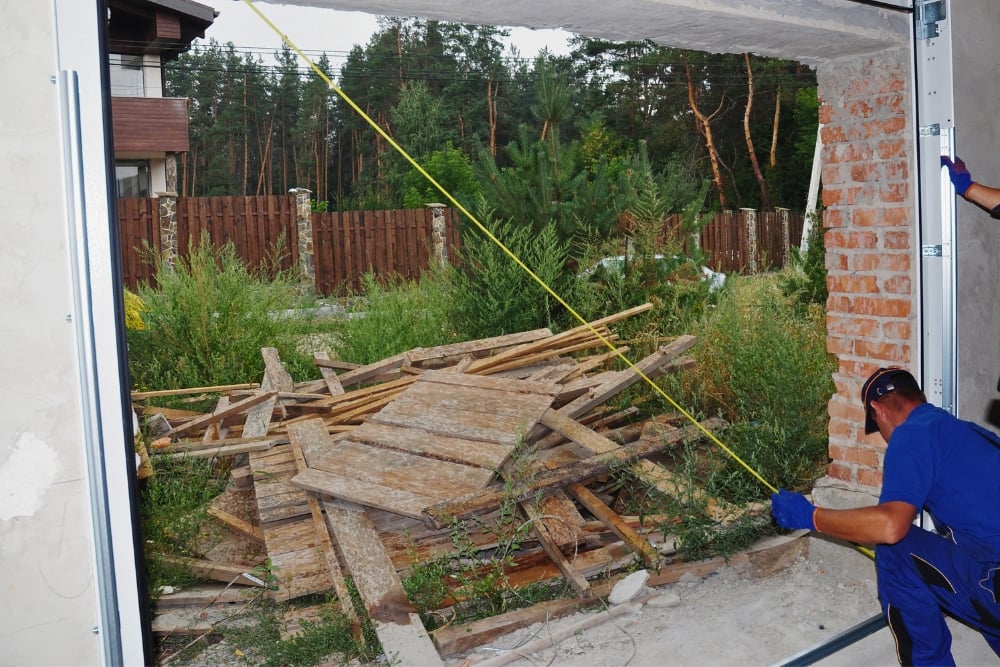
Installation quality directly affects how well the door operates. Choose qualified technicians to ensure safety, proper fit, and long-term function. Once installed, regular care keeps performance consistent.
- Clean the exterior to remove dirt, salt, and debris
- Lubricate tracks, rollers, and hinges every few months
- Check for wear, warping, or noise during opening and closing
Insulated doors often require less frequent adjustment because their structure holds up better over time. That said, all garage doors benefit from a yearly service check to prevent issues before they worsen.
Need Help Choosing the Right Garage Door
Not sure which type suits your garage setup? Whether you want energy savings, quieter operation, or just a basic option for storage, our team can help you make the right choice.
Coast to Valley Garage Doors supplies and installs both insulated and non-insulated garage doors across Lake Macquarie, Hunter Valley, Newcastle, Port Stephens, and the Central Coast.
Whether you’re looking to lower your energy bills or just want a tough, no-fuss door for your storage area, we’ll help you choose the right fit.
Contact us for a free quote or consultation.