A garage door can develop issues without warning, and many property owners are unsure whether the problem is minor or requires expert attention. Sudden noise, difficulty opening or visible damage can raise safety concerns and interrupt daily access.
These faults often worsen over time, and attempting to fix them without proper tools or training increases the risk of further damage or injury. The safest approach is to recognise the signs that indicate when professional support is needed.
Some faults involve heavy parts and high tension, making them unsuitable for DIY work. Identifying these situations early helps prevent larger repairs and keeps the door working as it should. This guide outlines when contacting a trained technician for garage door repair in NSW is the most appropriate option.
Why Is DIY Garage Door Repair Unsafe?
DIY garage door repair is unsafe because the system contains heavy parts supported by high tension. Springs and cables can release force suddenly, which can cause injuries even during small adjustments. When these parts begin to fail, the door may shift, drop or jam without warning.
The weight of the door also creates a serious risk. If a component fails while someone is working on it, the door can move unexpectedly. Many faults appear simple from the outside, but the lifting system requires specific tools that control tension safely. Without these tools, any repair involving springs, cables or rollers becomes hazardous.
Trained technicians understand how the lifting system works and use the correct methods to stabilise the door before completing repairs. Their approach reduces risk and prevents further damage. For faults involving tension, weight or alignment, a trained technician is the safest option.
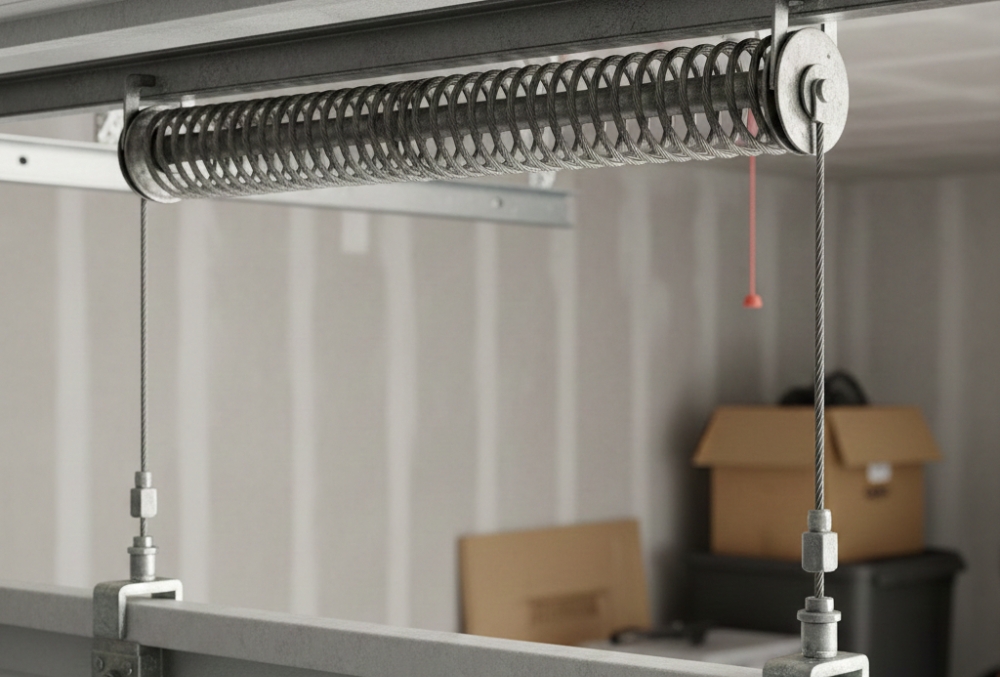
Broken Garage Door Springs Requiring Professional Repair
Broken garage door springs are one of the most hazardous issues a door can develop. These springs support the door’s weight, and when one fails, the stored tension releases suddenly. This is why a sharp sound is often heard when a spring snaps. After this happens, the door may feel heavy, sit unevenly or stop moving altogether.
These faults require professional repair because the tension in the springs makes them unsafe to handle. Without the right tools, the door can shift or fall while someone is working on it. Even loosening nearby hardware can cause sudden movement.
Common signs of a broken spring include
- a loud snapping sound
- a door that lifts unevenly
- a door that feels heavier than usual
- a visible gap in the spring
Trained technicians use equipment designed to control tension safely during removal and installation. They also inspect related parts such as bearings, brackets and second springs to prevent further issues. This ensures the door operates smoothly and reduces the risk of future faults.
Because of the dangers involved, spring replacement should only be carried out by a trained technician.
Damaged or Frayed Cables That Need Expert Attention
Garage door cables play an essential role in lifting the door and keeping it balanced as it moves along the tracks. When a cable begins to fray or loosen, the door may sit unevenly, jam during movement or drop suddenly. These issues can appear without warning because cables work closely with the springs, carrying the same high tension that supports the weight of the door.
Handling damaged cables is unsafe for anyone without the correct tools. Even a small change in tension can cause the door to shift, placing the person working on it at risk. Attempting to remove or adjust a cable without training can also cause further damage to the lifting system.
Common signs of cable issues include
- a door hanging to one side
- visible fraying or unravelled strands
- cables slipping off the drum
- the door getting stuck mid movement
Trained technicians release tension safely before replacing the cable. They also check the drums, brackets and other lifting parts to make sure the system stays balanced. This prevents further faults and keeps the door operating smoothly after the repair.
Because of the risk involved, damaged or frayed cables should only be repaired by a trained technician.
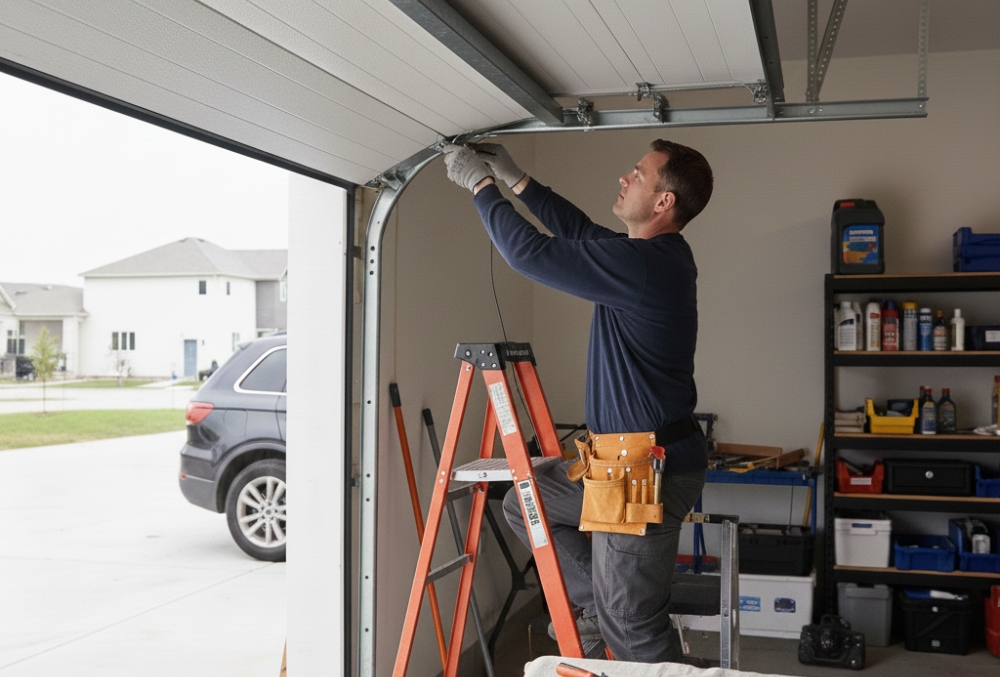
Off-Track Garage Doors and the Risks of Forcing Them
A garage door can come off its tracks when a roller slips out of position. This often occurs due to an obstruction, worn hardware or a cable fault. When this happens, the door may tilt, jam halfway or lean against the frame. An off-track door is unsafe to move because the weight is no longer supported evenly. Attempting to force the door back into place can worsen the damage or cause the panels to bend.
Working on an off-track door without the correct tools creates a risk of sudden movement. If the door shifts while someone is handling it, the full weight may drop unexpectedly. Trained technicians stabilise the door before realigning the rollers and tracks.
A door that leans, stops mid movement or shows rollers sitting outside the track needs professional attention. Technicians also check for underlying causes such as cable issues or worn hardware. This approach prevents the problem from returning and keeps the lifting system working as it should.
Noise, Vibration and Shaking as Signs of Mechanical Wear
Noise or shaking during movement often indicates mechanical wear developing within the door system. Light squeaks may come from dry parts, but scraping, grinding or rattling sounds usually point to worn rollers or misaligned components. These issues place extra strain on the lifting system and can lead to larger faults if ignored.
Mechanical wear affects rollers, hinges and brackets. As these parts deteriorate, the door may shift or shake during operation. This can create friction on the tracks and slow the door’s movement, causing it to stop unexpectedly.
Visible wear on rollers, movement that feels uneven or shaking during operation are signs that a technician should inspect the system. A trained technician reviews the tracks, hardware and alignment to identify the cause. Early attention helps prevent further damage and keeps the door operating safely.
Opener Problems That Need Technician Support
Garage door opener faults can be misleading because they may seem like simple electrical problems at first. Basic checks such as replacing remote batteries or confirming the power supply can be done by the property owner. However, when the motor runs but the door does not move, or when the opener stops unexpectedly, the issue is often more complex.
These faults may relate to sensor alignment, wiring issues or internal gears within the opener. Working on these components carries risks, especially when the opener is connected to a door supported by tension. Incorrect adjustments may cause the door to move without warning or place strain on the lifting system.
A trained technician can diagnose these faults safely by testing the sensors, inspecting the wiring and assessing the condition of the motor or logic board. This ensures the opener is restored correctly and the door operates as intended
Contact Coast to Valley Garage Doors
If you notice any issues with your garage door, seeking timely assistance helps prevent the problem from developing into a larger repair. A trained technician can assess the lifting system, check the hardware and confirm whether any parts need to be replaced. This keeps the door operating safely and reduces the chance of unexpected faults.
For guidance on inspection, repair options or concerns about springs, cables, tracks or opener faults, contact us for more information about safe and reliable garage door repairs in NSW.
FAQ
What should I do if my garage door feels heavy to lift?
A heavy door often indicates a problem with the springs or lifting system. Avoid using the door and arrange an inspection by a trained technician.
Why does my garage door make loud scraping or grinding noises?
Noises can occur from worn rollers, loose hardware or misaligned tracks. A technician can identify the source and prevent further damage.
Is it safe to open a garage door manually when it’s damaged?
If the door is unbalanced, off track or showing signs of strain, manual lifting can be unsafe. It is best to keep the door closed until a technician checks it.
What causes a garage door to stop halfway during movement?
This can result from track issues, cable faults or opener problems. A technician can test the system to find the reason and restore proper movement.
Why does my garage door move unevenly?
Uneven movement can come from cable issues, worn rollers or a spring fault. A technician can assess the lifting system and restore balance.