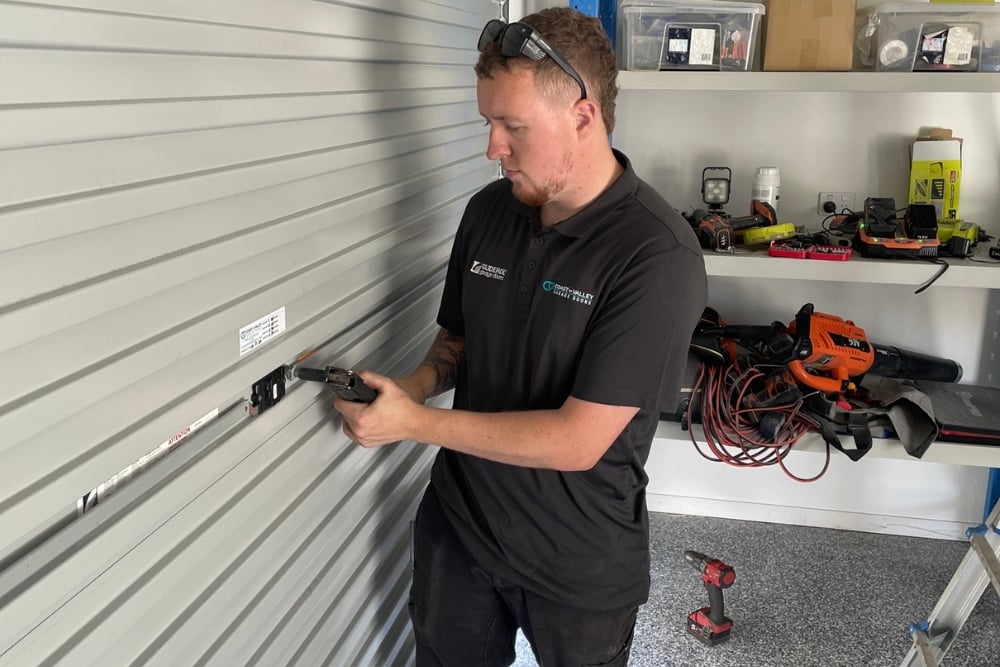
There is nothing more frustrating than heading out for the day or tucking in for the night, hitting the button, and watching your garage door head halfway down before reversing back up. It is a common headache for homeowners across the Central Coast and Hunter Valley, and usually, it happens at the least convenient time possible.
While it might feel like the motor is playing up, there are actually a few simple things that usually cause this. Here is what is likely going on with your door and how to spot the culprit.
Blocked or dirty safety sensors
If your door starts to close and then immediately pops back up, the first place to look is right at the bottom of the tracks. Most modern automatic doors have “photo-eye” sensors. These are two little sensors that sit about six inches off the ground.
If there is a stray garden tool, a cardboard box, or even a thick cobweb blocking the path between those two sensors, the door will not close. It thinks there is a person or a car in the way. Give the lenses a quick wipe with a soft cloth and make sure the little LED lights on the sensors are not flickering. If they are blinking, they might have been bumped out of alignment.
Obstructions in the tracks
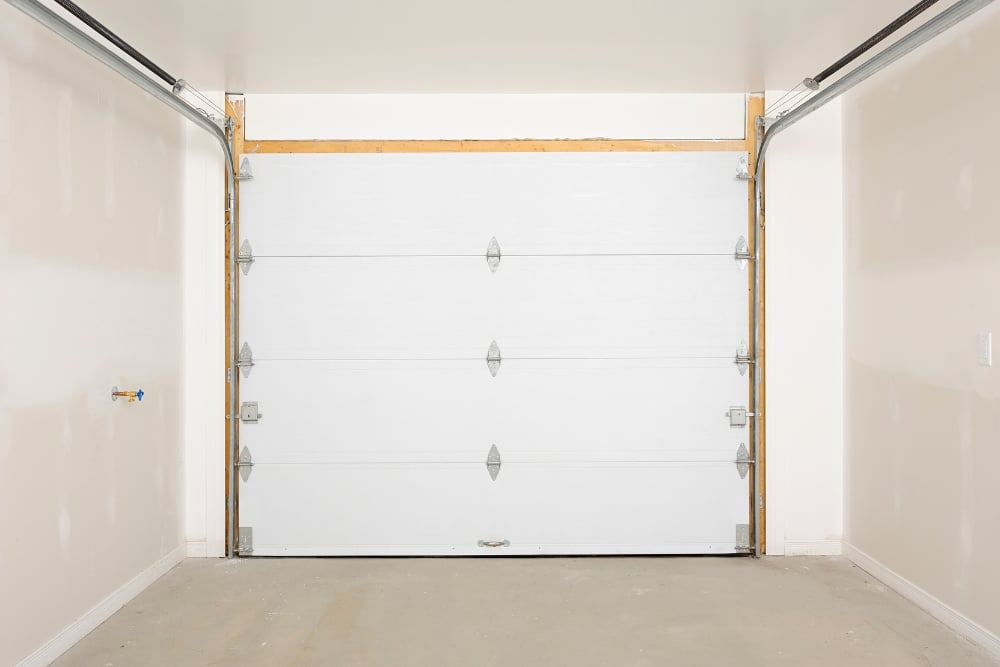
Your garage door runs on a set of metal tracks that guide it up and down. Over time, these tracks can collect all sorts of gunk. We have seen everything from dried grease and hair to small stones or even children’s toys stuck in the rails.
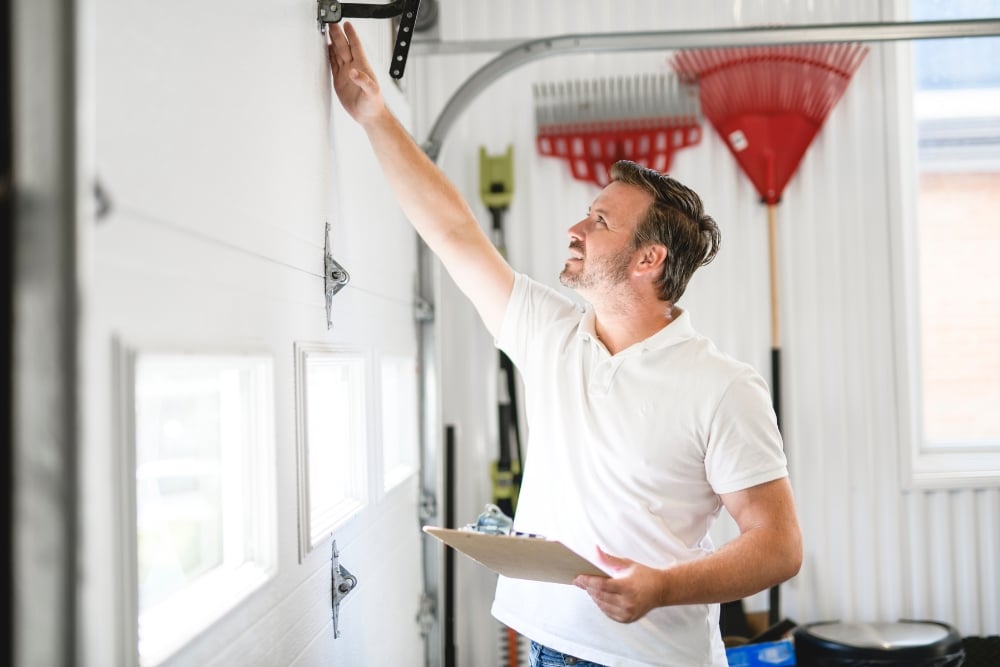
Even a small pebble can be enough to trigger the door’s safety reversal system. It feels the resistance, assumes it has hit something, and opens back up to prevent damage. Look up the tracks with a torch to see if there is any visible debris or a nasty dent in the metal that is pinching the rollers.
Issues with the limit settings
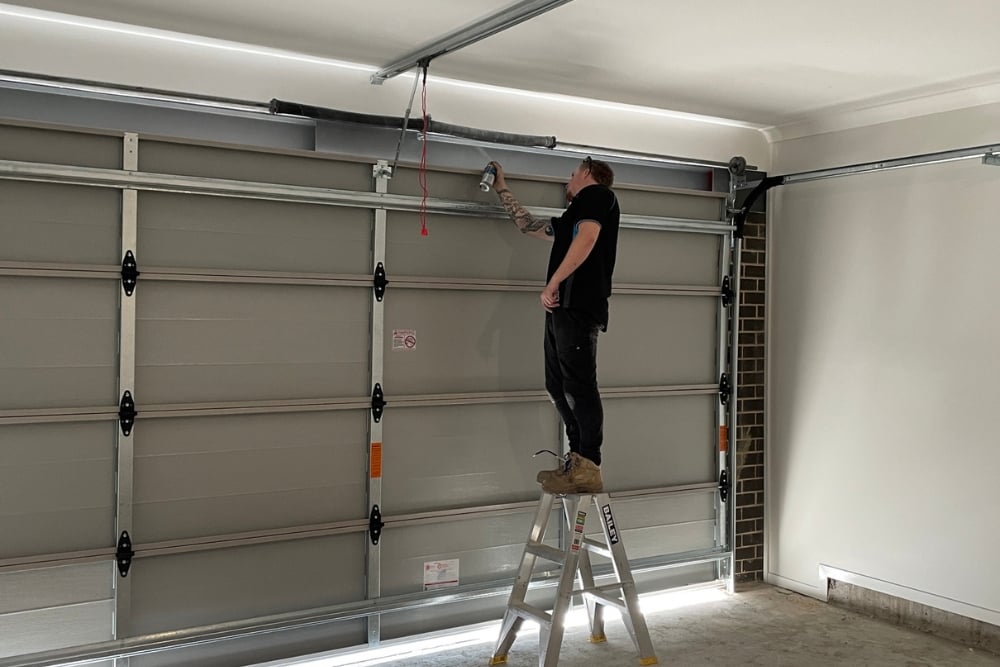
Sometimes the door closes all the way, hits the floor, and then bounces back up as if it changed its mind. This is usually a sign that the limit settings on your motor are a bit out of whack.
The motor has a brain that tells it exactly how far to travel before stopping. If the setting is a bit too long, the door hits the ground too hard. The motor thinks it has hit an object rather than the floor, so it reverses for safety. This usually requires a quick adjustment on the opener unit itself.
Broken springs or snapped cables
If your door is moving slowly, making a massive straining noise, or sitting crooked in the opening, you might have a mechanical failure. Garage door springs do the heavy lifting, and they have a limited lifespan.
If a spring snaps, the motor is left trying to lift or lower a couple of hundred kilos of steel on its own. Not only is this bad for the motor, but it is also incredibly dangerous. If you see a gap in your torsion spring or a cable hanging loose like a piece of wet spaghetti, do not try to fix it yourself. Those springs are under an immense amount of tension.
Get it fixed properly
A door that will not shut is a major security risk for your home. If you have checked for blockages and the sensors are clean, but the door is still acting up, it is time to call in a professional.
We handle all types of garage door repairs across the region. We can get your tracks aligned, your springs replaced, or your motor settings sorted so you can get back to your day.
If you are stuck with a door that will not behave, give the team a call on 02 8294 0926 or send us a message through our contact page. We will get it sorted for you.