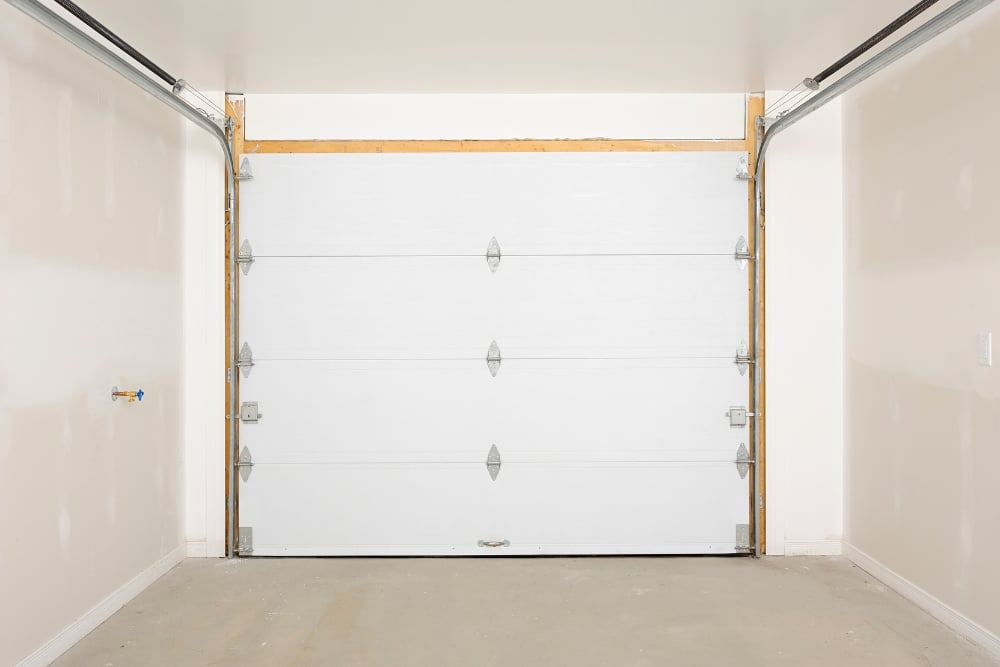
A garage door that keeps breaking down costs more than just the repair bill. There is the time spent coordinating trades, the tenant complaints, the security risk if the door fails in an open position overnight, and the liability question if someone gets hurt. At some point, ongoing repairs stop making sense and a replacement becomes the more practical and economical decision.
The difficulty is knowing when you have reached that point. This guide is written for property managers handling residential and strata properties across the Newcastle, Hunter Valley, Lake Macquarie, Port Stephens, and Central Coast regions, where the combination of coastal air, high usage, and ageing housing stock puts garage doors under constant pressure.
The repair vs replace decision
The general rule of thumb used by most tradespeople is straightforward: if the cost of a repair exceeds 50 per cent of the cost of a replacement, replace it. If a door has needed two or more significant repairs in the past two years, the underlying issue is usually wear across multiple components, and more repairs are likely.
For property managers, the calculation also needs to include the ongoing management cost. A door that generates a tenant call every few months, requires trade attendance on short notice, and needs repeat authorisations from the owner has a real administrative cost that does not show up in the repair invoice. A new door typically eliminates that problem for five to ten years.
Signs a garage door needs replacing rather than repairing
Some issues can be fixed. Others are symptoms of a door that has reached the end of its useful life. The following are reliable indicators that replacement is the right call.
Recurring spring or cable failures
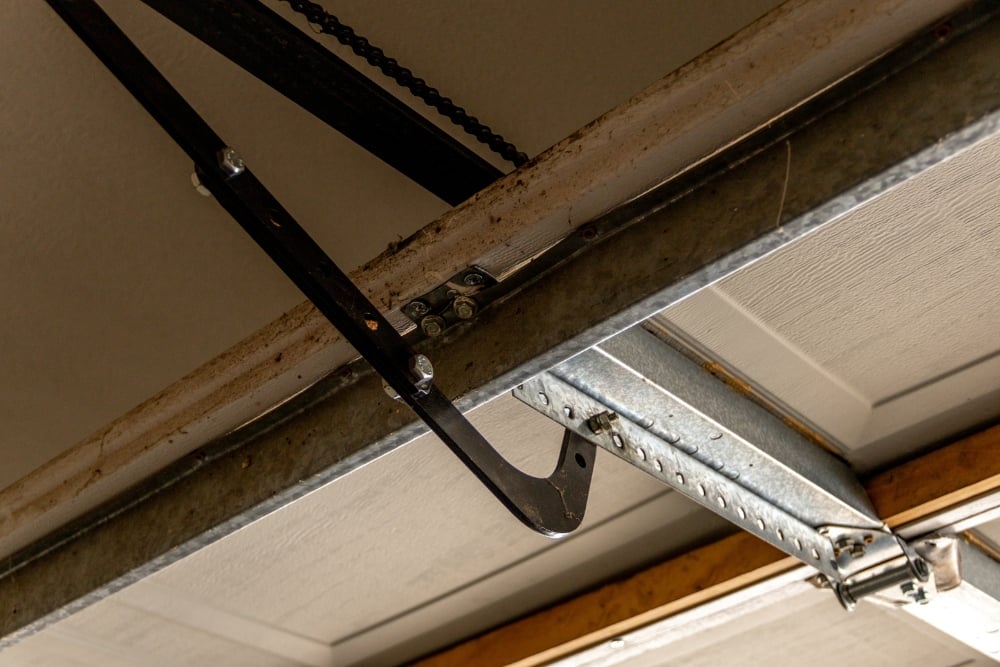
A single spring failure is normal wear and is worth repairing. If the same door has had springs or cables fail more than once in a short period, the issue is usually that all the springs on the door are the same age and under the same load. Replacing one spring while the others remain at end of life means another failure is likely within months. At that point, replacing the door and its hardware as a unit makes more sense.
Motor or opener failure on an older door
When a motor or opener needs replacing on a door that is already more than 15 years old, it is worth getting a quote on the door at the same time. Installing a new motor on a door with worn panels, corroded tracks, or tired springs means you are likely to face further issues within a year or two. A new door with a new motor installed together is usually only marginally more expensive than replacing the motor alone, and it resets the maintenance clock.
Significant panel damage or corrosion
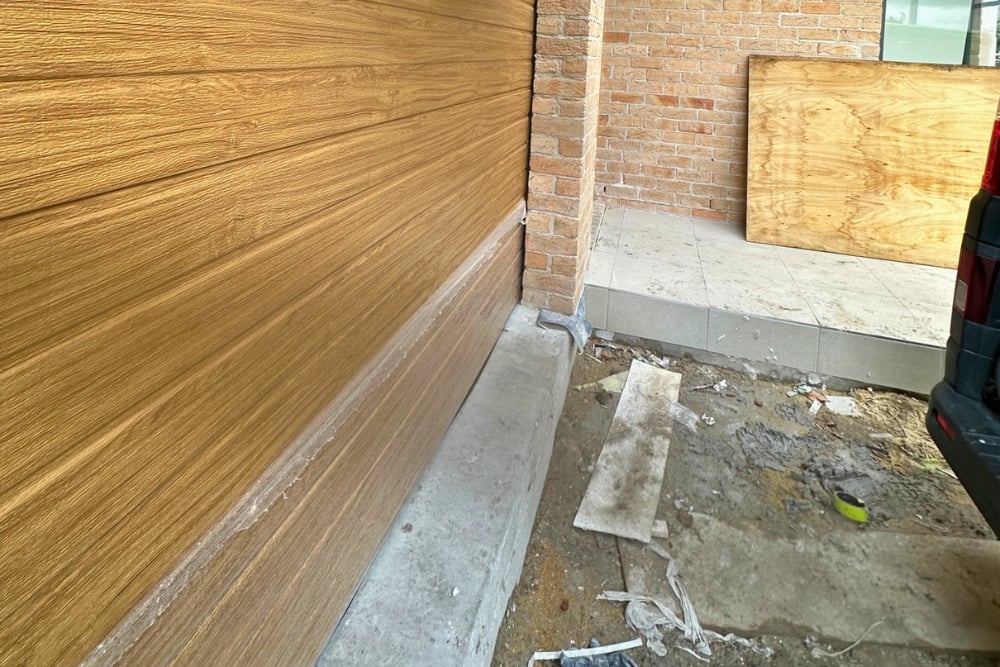
A panel that has been hit by a vehicle or is showing through-corrosion is a structural issue, not a cosmetic one. Damaged panels affect how the door sits in its tracks, how it seals at the bottom, and how the weight distributes through the springs and cables. A door running on damaged panels puts extra stress on every other component and is likely to cause further failures.
For coastal properties, particularly in Lake Macquarie and Port Stephens where salt air is a constant factor, older steel doors that were not installed with a coastal-grade finish will show panel corrosion that cannot be reversed by repainting. Once rust has compromised the steel substrate, the panel needs replacing, and replacing individual panels on a sectional door is often not cost-effective.
Persistent noise, binding, or misalignment
A door that groans, shudders, or hesitates on every cycle is one that is working harder than it should. In most cases this is a combination of worn rollers, degraded weather seals, misaligned tracks, and springs that are no longer balanced correctly. Each of these can be addressed individually, but when all of them are present together on an older door, you are essentially overhauling a door that will still be old at the end of the job.
Security or compliance concerns
Older doors, particularly tilt doors with manual locks, do not meet the same security standards as current roller and sectional doors. If a property is being leased and the tenant has raised security concerns about the garage, or if the property has been on a routine inspection and the door is not providing an adequate barrier against unauthorised entry, replacement is the appropriate response. A new door with a motorised opener and auto-lock function addresses this directly.
Coastal properties and accelerated wear
Properties within a few kilometres of the coast age differently. Salt air is corrosive to steel, and a door that might last 20 years in an inland suburb will show significant deterioration in 10 to 12 years near the water if it was not installed with appropriate materials from the start.
When replacing a door on a coastal property, specifying a coastal upgrade is worth the additional cost. For roller doors, Steel-Line offers a coastal upgrade pack specifically engineered for salt-air environments, with marine-grade components and coatings designed for ongoing exposure. Gliderol’s Colorbond range is manufactured from BlueScope steel that handles Australian coastal conditions better than standard imported materials.
For property managers with multiple coastal properties under management, standardising on coastal-grade door specifications at replacement reduces the frequency of maintenance calls and extends the period between replacements.
Replacing multiple doors in a strata or unit complex
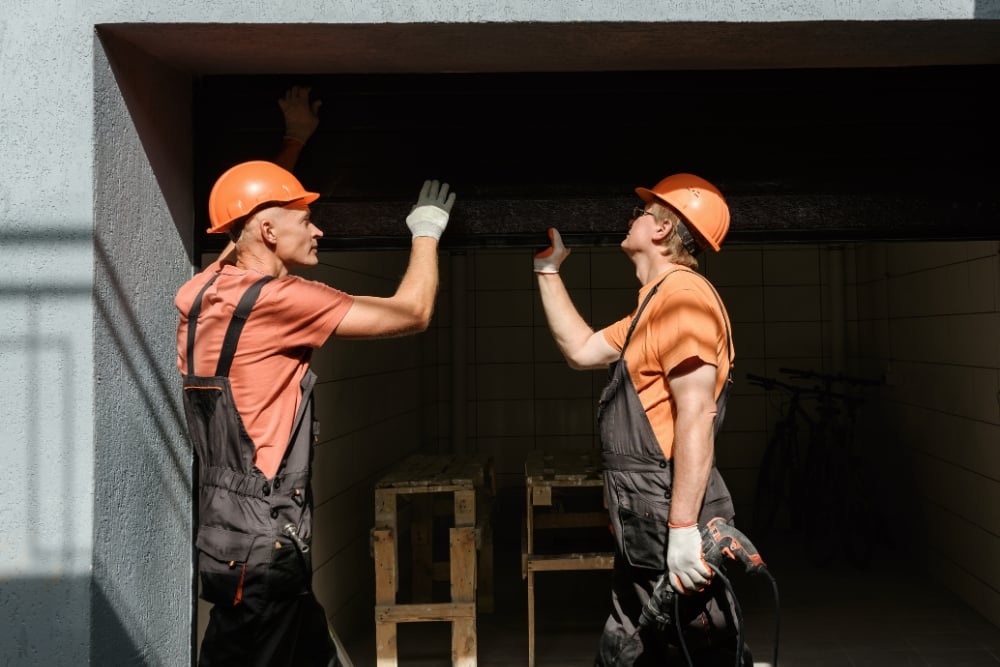
When one door in a unit block reaches end of life, it is worth checking the age and condition of the other doors in the complex. Doors installed at the same time under the same conditions will typically fail within a similar window. Replacing them one at a time as each fails generates repeated trade callouts, ongoing tenant disruption, and inconsistent appearances across the property. Replacing two or three doors together in a single scheduled job is almost always more efficient.
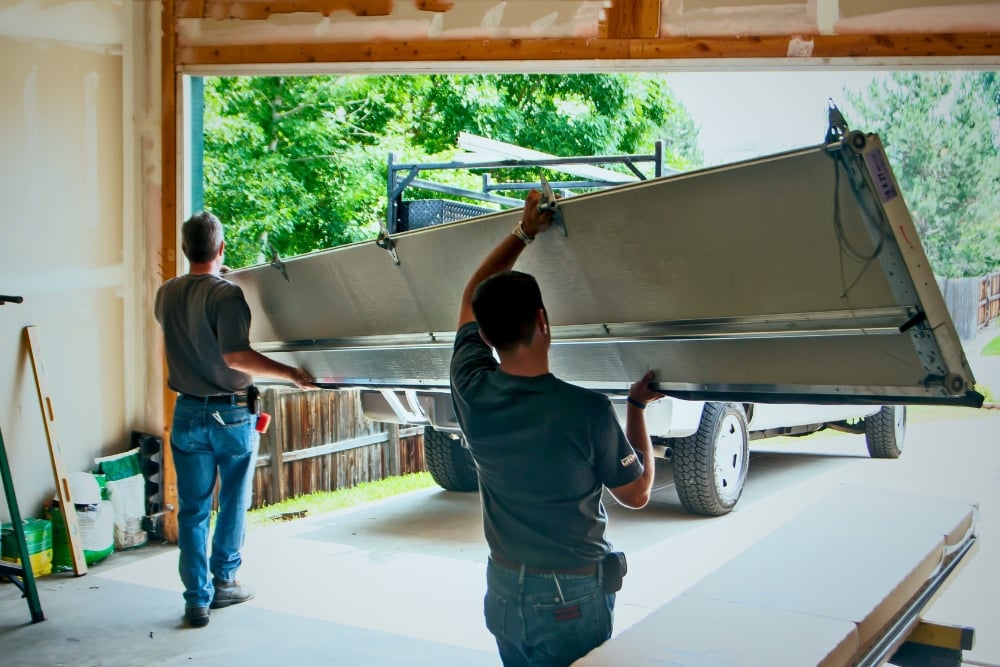
This is something Coast to Valley Garage Doors handles regularly. Multiple doors removed and replaced in a single visit, with motors tested and confirmed before the team leaves. It avoids the situation where the strata is approving separate repairs every few months for doors that are all the same age.
Planning a garage door replacement: what property managers need to know
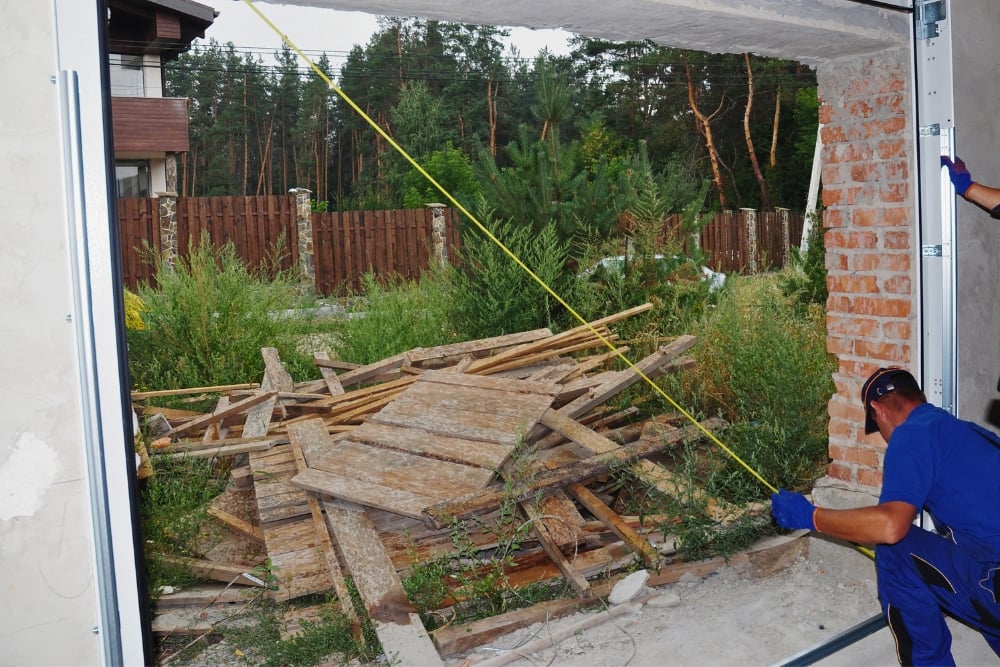
Lead times on new doors vary depending on the door type and current supply. Standard roller doors from Gliderol and Steel-Line are generally available with shorter lead times than custom panel doors. If a door fails and the property has tenants, it is worth knowing upfront what the turnaround time looks like for the door type you are specifying.
Where possible, getting a condition assessment before a door fails gives you more lead time to plan the replacement and get owner approval without the pressure of a door that is stuck open. A routine inspection that flags a door as end-of-life is far easier to action calmly than an emergency callout at 6am.
If you are managing properties across Newcastle, Lake Macquarie, Hunter Valley, Port Stephens, or the Central Coast, you can view the full range of garage doors we supply and install to get a sense of the options before requesting a quote. For properties where appearance matters, the gallery shows installed examples across the region.
Coast to Valley Garage Doors works with property managers across the Hunter and Central Coast region. We respond fast, communicate clearly, and can coordinate directly with tenants and strata to minimise disruption. To discuss a replacement or get a quote, get in touch with our team or call 02 4955 3332.