If you’re building or renovating in a bushfire-prone area in NSW, BAL compliance is something you can’t ignore. It applies to more than just walls and roofs, and yes, garage doors are part of the conversation too.
The short answer is this. If your property has a Bush Fire Attack Level higher than BAL-Low, your garage door usually needs to meet bushfire construction requirements.
What Is BAL and Why It Matters
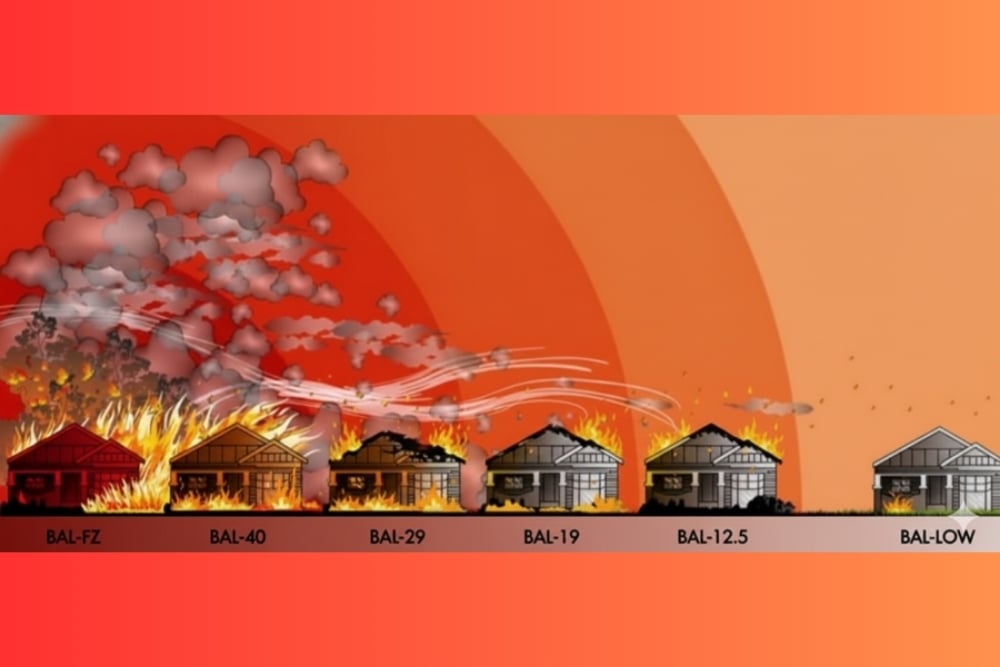
BAL stands for Bush Fire Attack Level. It measures the potential risk a building faces from bushfire, based on factors such as nearby vegetation, slope, and distance from likely fire sources.
In NSW, a BAL assessment is required for properties on bushfire-prone land before building or major renovations can be approved. The assessment results in a rating such as BAL 12.5, BAL 19, BAL 29, BAL 40 or BAL-FZ. The higher the BAL rating, the stricter the construction requirements.
Where Garage Doors Fit In
Once a property is assessed above BAL-Low, bushfire construction standards apply to the entire external building envelope. This includes external doors, which means garage doors are not exempt.
If your garage is attached to the house, it is generally treated as part of the main structure. In most cases, the garage door must comply with the same BAL requirements as the rest of the home. Detached garages may also need to comply depending on their location and how they are approved.
What Compliance Usually Involves
The exact requirements depend on your BAL rating, but garage doors often need to meet several key expectations.
Extract from BAL-29 Construction checklist
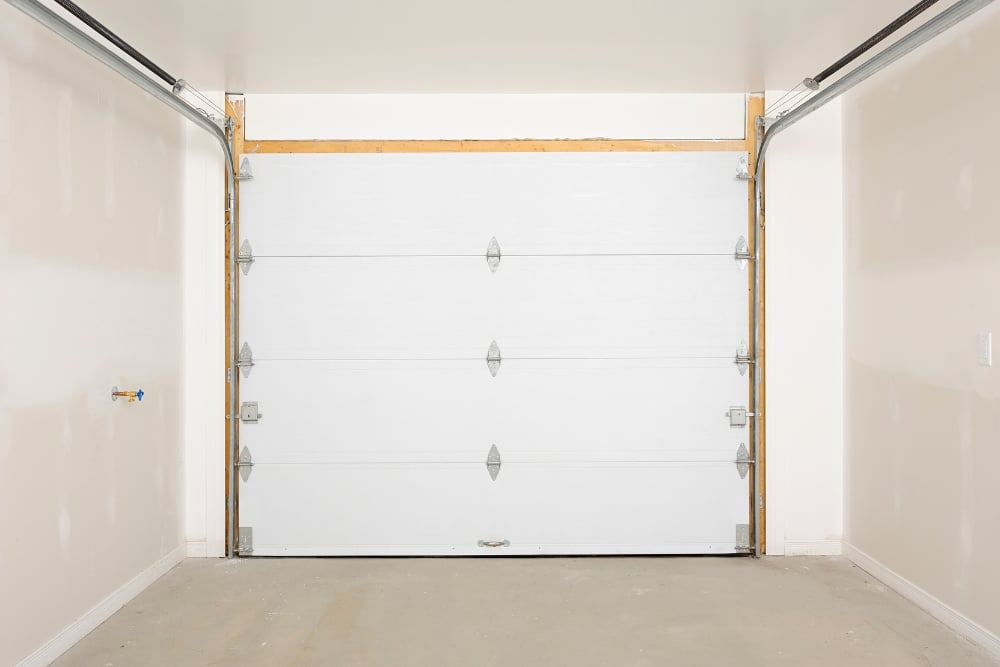
7.5.5 Doors—Vehicle access doors (garage doors)
The following apply to vehicle access doors:
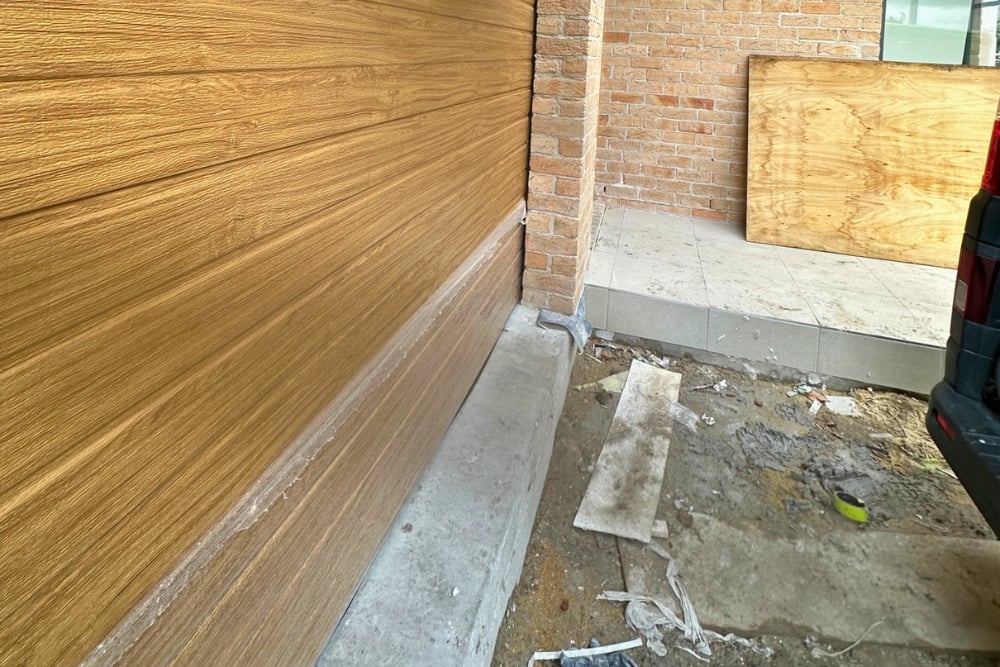
- The lower portion of a vehicle access door that is within 400 mm of the ground when the door is closed shall be made from—
- non-combustible material;
- bushfire-resisting timber;
- fibre-cement sheet, a minimum of 6 mm in thickness;
- a combination of any of Items (1), (2) or (3) above.
- Panel lift, tilt doors or side-hung doors shall be fitted with suitable weather strips, draught excluders, draught seals or guide tracks, as appropriate to the door type, with a maximum gap no greater than 3 mm.
- Roller doors shall have guide tracks with a maximum gap no greater than 3 mm and shall be fitted with a nylon brush that is in contact with the door
- Vehicle access doors shall not include ventilation slots
These can include non-combustible or bushfire-resistant materials, properly sealed edges to reduce ember entry, and the use of weather seals or draught excluders fitted correctly. Any exposed combustible components that could ignite from radiant heat are generally not allowed.
Please note: This reference guide is not an exhaustive list of all of the requirements of AS3959:2018 and should be read in conjunction with Australian Standards AS3959:2018 (including Amendments 1 & 2), AS1530.8.1, AS1530.8.2 and official test reports and assessments.
Why Garage Doors Are Often Overlooked
Garage doors are commonly missed because homeowners focus on roofing, windows and external cladding. However, embers are one of the biggest causes of home loss during bushfires, and gaps around garage doors are a known entry point.
Because of this, certifiers and councils pay close attention to garage door compliance during the approval process. If a door does not meet the required standard, it can delay approvals or result in costly changes later.
New Builds vs Garage Door Replacements
For new homes in bushfire-prone areas, BAL compliance for the garage door should already be included in the approved plans.
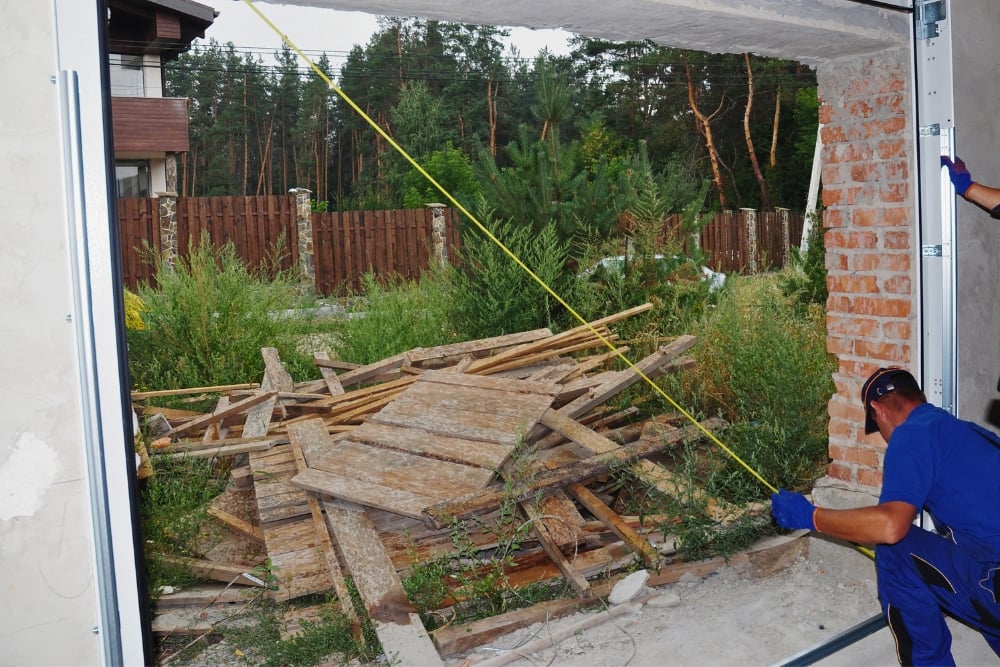
If you are replacing an existing garage door, compliance may still apply. In some cases, replacing a door can trigger the need to meet current standards, particularly if the property already has a BAL rating. It is always best to check with your certifier or local council before ordering a replacement.
Protect Your Home in Bush Fire-Prone Area
In NSW, garage doors do need bushfire BAL compliance if the property is rated above BAL-Low. They are considered part of the building envelope and must meet the construction requirements that apply to the site’s risk level.
If you are unsure what applies to your property, getting a BAL assessment and professional advice early can save time, money and frustration later.