Not always. But often enough that it’s the first thing we check.
The honest answer depends on the door size, the insulation thickness, and what motor you’re currently running. A small single insulated door might be fine with a standard residential opener. A large double with 40mm foam-core panels is a different story.
Here’s how to think through it.
Why Insulation Adds Weight
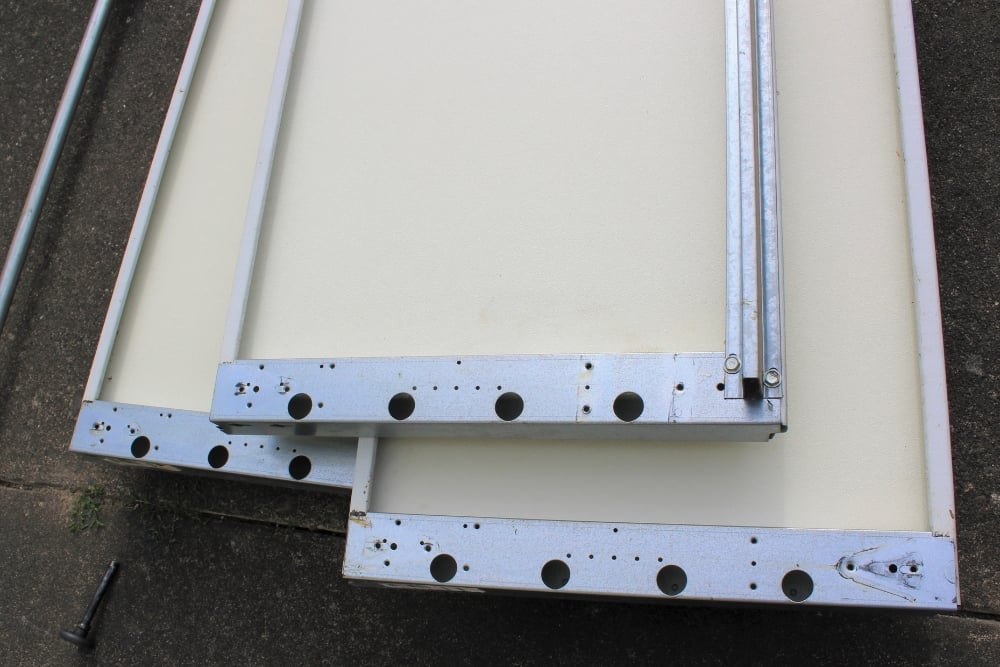
Insulated garage doors have a second skin, a steel or aluminium backing panel, with foam injected between the two layers. That construction is what gives them their thermal performance, but it also adds meaningful weight compared to a single-skin door of the same size.
A standard single-skin steel door on a double opening might weigh 50-70 kg. The insulated equivalent can come in at 100-140 kg or more. That’s not a small difference when it comes to motor selection.
Our garage door range includes both single-skin and insulated options across a variety of styles and sizes, so we go through this conversation with customers fairly regularly. The weight question comes up every time someone is upgrading from a basic door to an insulated one.
What ‘Stronger’ Actually Means
When people ask about a stronger opener, they usually mean a higher-capacity motor. In practice that means a motor with a higher torque rating (Newton metres) or a higher maximum door weight rating (kilograms).
But “stronger” can also mean more durable: a motor built for higher daily cycle counts, with better thermal protection, a more robust drive system, and components that handle sustained load without wearing prematurely.
Both matter. A motor that’s just barely within its rated capacity for your door weight will technically work, but it’s running near its limit every single cycle. A motor with some headroom runs cooler, wears more slowly, and lasts longer.
For a deeper look at how this plays out in practice, does door weight affect motor performance? covers the mechanics in detail, including what happens to motors that are consistently overloaded.
When Your Existing Motor Is Fine
If you’re upgrading from a single-skin door to an insulated door of the same size, and your current motor is rated well above your old door’s weight, you may have enough capacity to handle the new door without changing anything.
For example: if your existing motor is rated to 150 kg and you’re moving from a 60 kg single-skin door to a 90 kg insulated single door, you’ve still got plenty of margin. No change is needed.
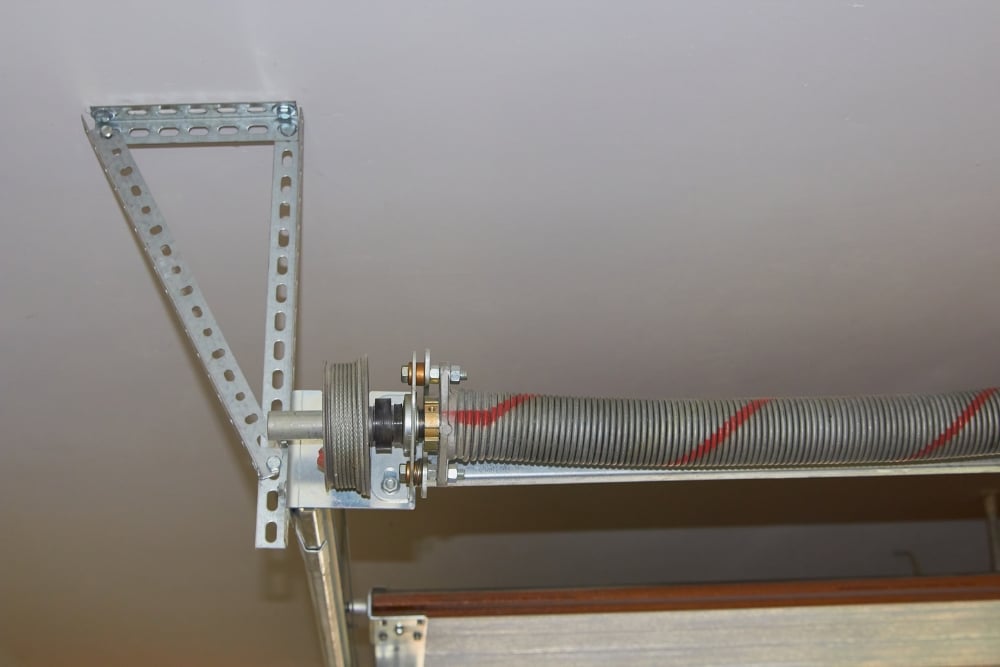
The spring balance matters just as much here. A correctly sprung door puts very little actual load on the motor. The springs do the heavy lifting, and the motor just moves a near-balanced load. If your installer sets the springs properly for the new door weight, the motor often copes better than you’d expect.
When You Do Need to Upgrade
A few situations where upgrading the motor is the right call:
- If your current motor is already running near its rated capacity with your existing door, adding 30-50 kg with an insulated replacement will push it over the edge.
- If you’re moving to a large insulated double, these doors can exceed 150 kg with heavier foam-core panels, and most standard residential motors aren’t rated for that.
- If the door is used heavily, say 8 or more cycles a day, the motor needs more headroom, not less. High cycle frequency accelerates wear, especially under load.
- If your current motor is already old or showing signs of strain (slower travel, tripping the thermal cutout, unusual noise), an insulated door upgrade is a good opportunity to replace it at the same time rather than waiting for it to fail.
The Foam-Core Factor
Not all insulated doors are equal in terms of weight. Panel thickness varies, typically from 25mm up to 45mm or more, and thicker panels mean more foam and more weight.
Products like Eco insulated sectional garage doors use quality foam-core construction that delivers strong thermal performance. When we’re speccing an opener for one of these doors, we always go off the actual door weight for that specific model rather than a rough estimate. The difference between a 25mm and a 40mm panel on a double door can be 20-30 kg, which can tip a borderline motor situation one way or the other.
Choosing the Right Opener for an Insulated Door
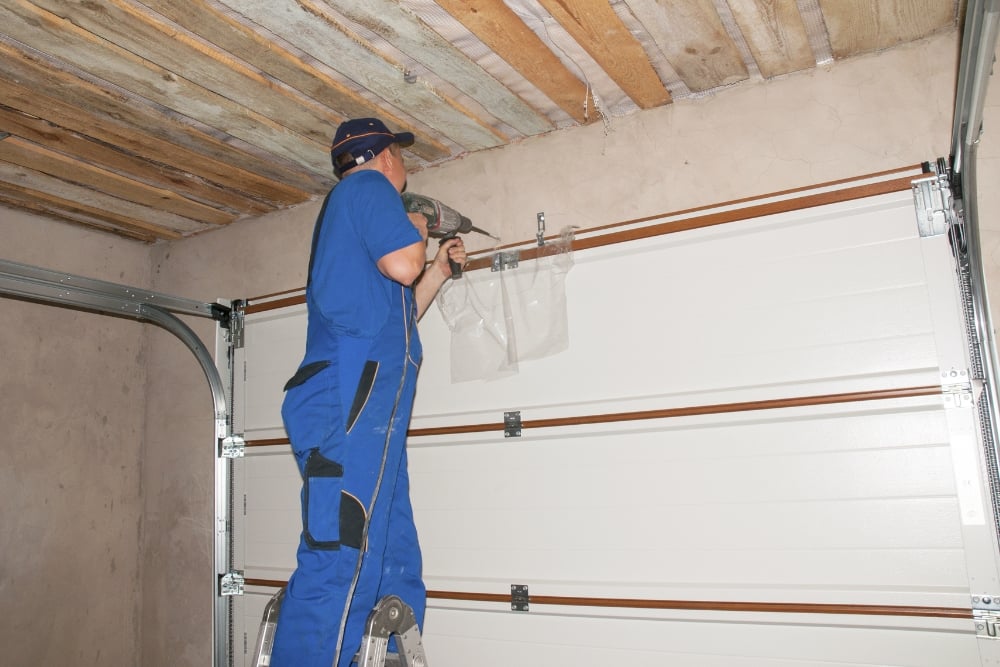
When we’re selecting an opener to pair with an insulated door, we look at four things: the door’s actual weight (from the manufacturer specs), the door opening size, how many times a day it’ll be used, and whether battery backup or smart features are needed.
Our garage door openers guide walks through motor types, drive systems, and capacity ratings in detail. It’s worth reading if you’re trying to compare options or figure out whether your current unit will suit a new door.
The general rule we follow: choose a motor with at least 20-30% capacity above the door’s actual weight. That margin keeps the motor running in its comfort zone, extends its life, and reduces the chance of thermal cutout trips on hot days when the garage gets warm and motors run hotter anyway.
What We Recommend
Get the door weight confirmed before you commit to an opener. Don’t go off rough estimates. Most manufacturers publish specs for their insulated door products, and we can help you find the right information if you’re not sure where to look.
If you’re buying a new insulated door through us, we’ll spec the springs and opener together as part of the installation. Everything gets matched to the actual door weight. That’s just how it should be done.
Questions? Call us on 02 4955 3332. We work across Lake Macquarie, Newcastle, the Hunter Valley, Port Stephens, and the Central Coast. Happy to talk through what your setup needs.