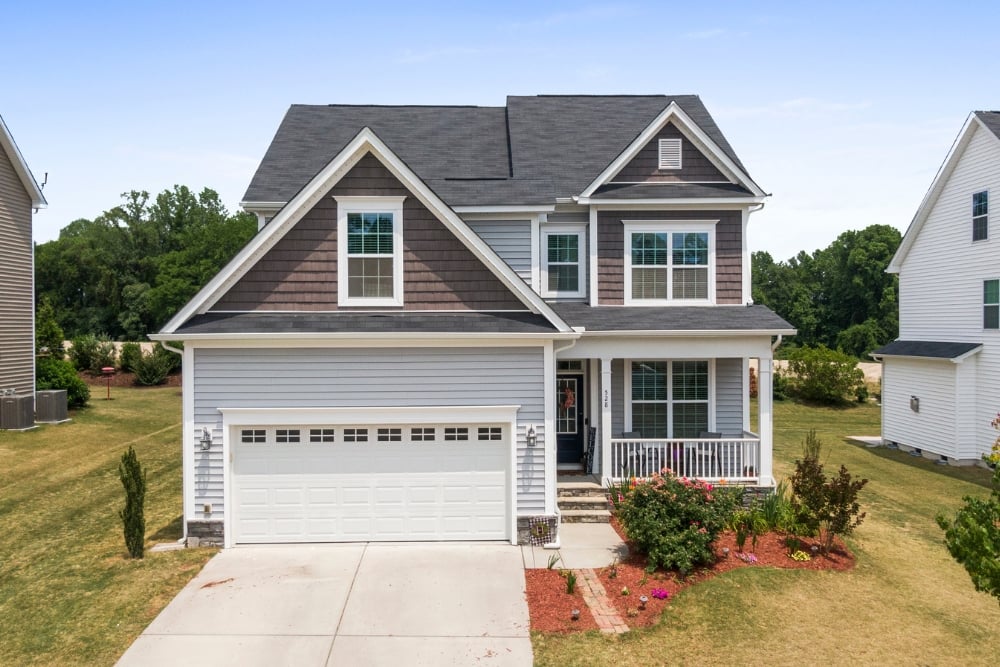
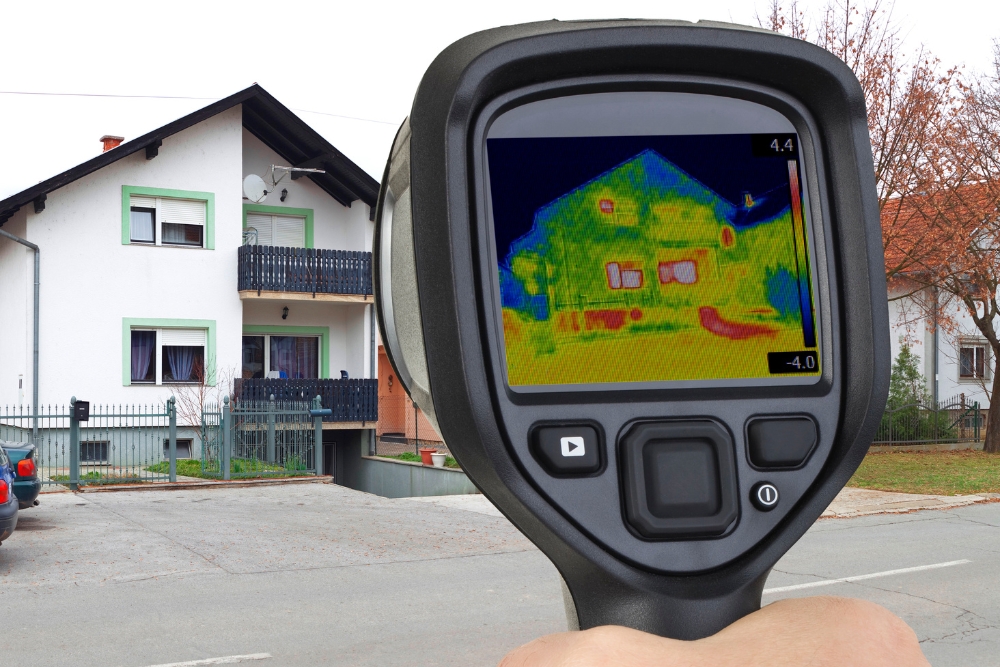
Many homes lose energy without realising it through the largest opening in the house — the garage. This often leads to higher heating and cooling costs, especially if the space is attached or used frequently. Drafts, heat buildup, and poor sealing can all impact the performance of the entire home.
Most homeowners focus on insulation, windows, or roofing but overlook how much heat is gained or lost through the garage structure itself. If the entry isn’t sealed properly or lacks insulation, temperature shifts affect indoor comfort and energy use.
This guide explains how modern systems reduce heat loss and support better energy control. It outlines the key design features, materials, and sealing options that make a difference in energy performance. Whether you’re upgrading an older unit or planning a new fit-out, these improvements can lead to more stable temperatures and lower bills.
How Energy Loss Occurs Through the Garage
If your garage isn’t sealed or insulated properly, it could be one of the main reasons your home feels harder to heat or cool. This is especially true if the garage is attached to your house or used regularly for storage, laundry, or work.
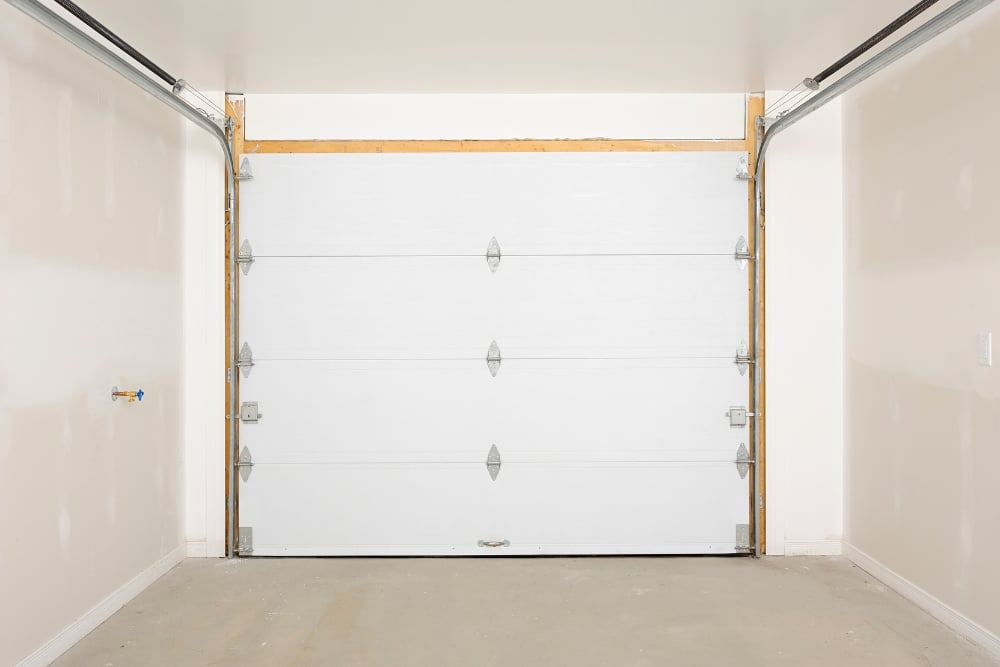
Most of the heat or cold gets in through thin panels or gaps around the door frame. Single-layer doors don’t block outdoor temperatures very well, and if there’s no proper seal along the bottom or sides, air can move in and out easily. In summer, sunlight can make the surface hot, which can affect nearby rooms.
If the space doesn’t hold a steady temperature, the rest of the house has to work harder to stay comfortable. That means more energy use and higher bills.
Fixing these issues often starts with checking for gaps and replacing older doors or seals with insulated options that help control temperature more effectively.
Benefits of Insulated Panels
Insulated panels can make the space more comfortable and reduce how much energy the home uses to stay warm or cool. Here’s how they help:
- Maintain a more stable temperature in attached rooms
- Reduce the need for constant heating or cooling
- Lower energy bills in both summer and winter
- Block outside noise more effectively than thin panels
- Help protect stored items from heat or cold changes
If you want to improve temperature control without major changes, eco range garage doors are designed to offer these benefits in a durable and low-maintenance setup.
Sealing and Air Gaps
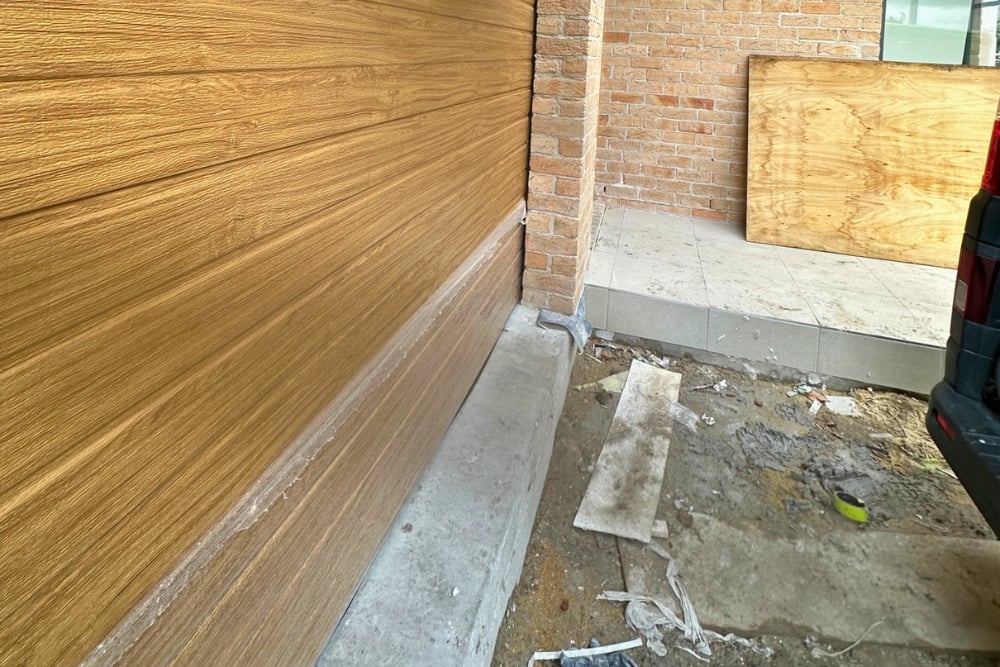
Insulated panels can help, but if the area around the frame isn’t sealed properly, you’ll still lose heated or cooled air. Gaps along the sides or base let outside air in and allow indoor air to escape, which affects temperature control inside the house.
Over time, seals can wear out or come loose. You might not notice it at first, but small openings can cause drafts, dust build-up, or uneven temperatures. These issues are common in older setups or in systems that were installed without full perimeter sealing.
Replacing the seals can make a big difference. High-quality perimeter seals help block wind, reduce dust, and keep moisture out. They also support any insulation you already have by keeping the area more stable.
If the structure itself is in good shape, updating the seals is a simple fix that can improve both comfort and energy use without needing a full replacement.
Energy-Smart Materials and Design
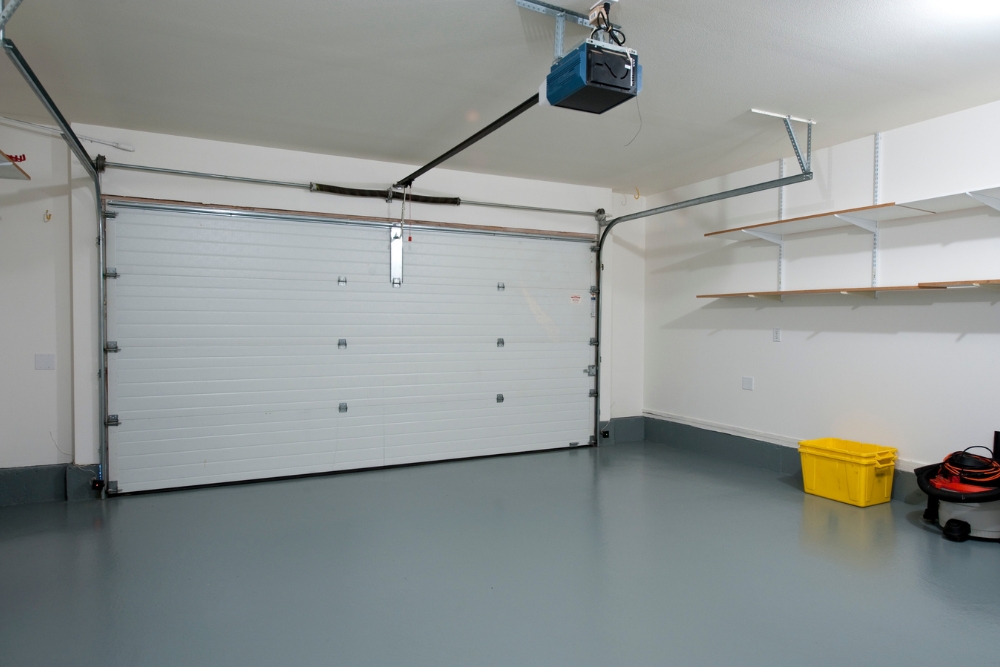
Energy efficiency depends on the type of materials and features used in the system. Some panels provide better thermal control than others, depending on how they’re built and finished.
Multi-layer construction with an insulated core helps limit heat and cold transfer through the surface. Some finishes are made to reflect sunlight, which can reduce surface temperature during the day. If the system includes windows, smaller or double-glazed panes reduce thermal movement more effectively than larger untreated glass.
It’s also important that all sides are sealed with weather-resistant materials. These seals help reduce air movement around the edges and improve temperature consistency inside the space.
Systems with these features maintain a more stable internal environment and reduce the impact of outdoor weather on the rest of the home.
Why Professional Installation Matters
Even with the right materials, results depend on how well everything is installed. Gaps, uneven tracks, or poorly fitted seals can cancel out the benefits of insulated panels. A professional installer will make sure the system sits level, operates smoothly, and seals properly on all sides.
If the setup isn’t aligned or the seals don’t make full contact, heat and cold can still pass through. This reduces temperature control and may lead to higher running costs over time. That’s why fit and finish matter just as much as materials.
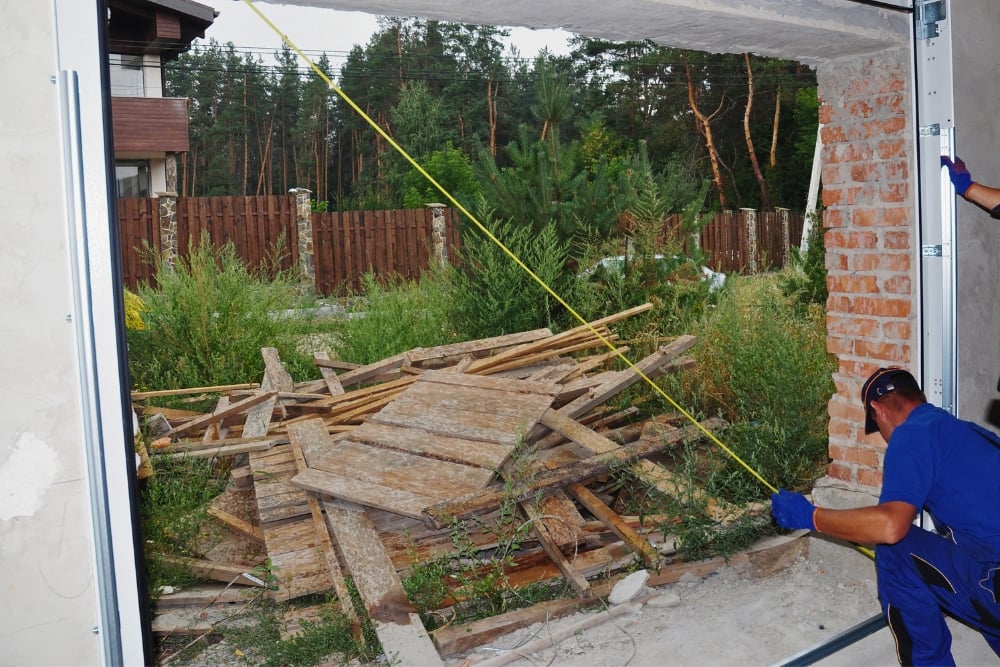
At Coast to Valley Garage Doors, every installation includes a full check of spacing, alignment, and sealing. If you’re planning a change or want to improve comfort in the space, contact us to request an assessment and measure. We’ll help you find a setup that works for your space, energy goals, and layout.
Frequently Asked Questions
Is insulation still useful if the garage isn’t used often?
Yes. Even if it’s not used daily, poor insulation can affect nearby rooms or storage conditions. Keeping the space sealed helps stabilise indoor temperatures.
Will a system with windows still be energy-efficient?
It depends on the design. Smaller windows or ones with double glazing reduce heat transfer more effectively than large, clear panels.
Can I just add insulation to an older system?
Some older models can be retrofitted, but not all. It’s best to check if the structure and panel style can support added insulation without affecting function.
Do I need council approval to replace the system?
In most cases, no. Standard replacements or upgrades don’t require approval, but it’s worth checking if any changes are made to the structure.
Is it worth upgrading just for energy savings?
If the setup is older, unsealed, or single-layer, upgrading can reduce power use in connected rooms. It also helps reduce noise and weather impact.