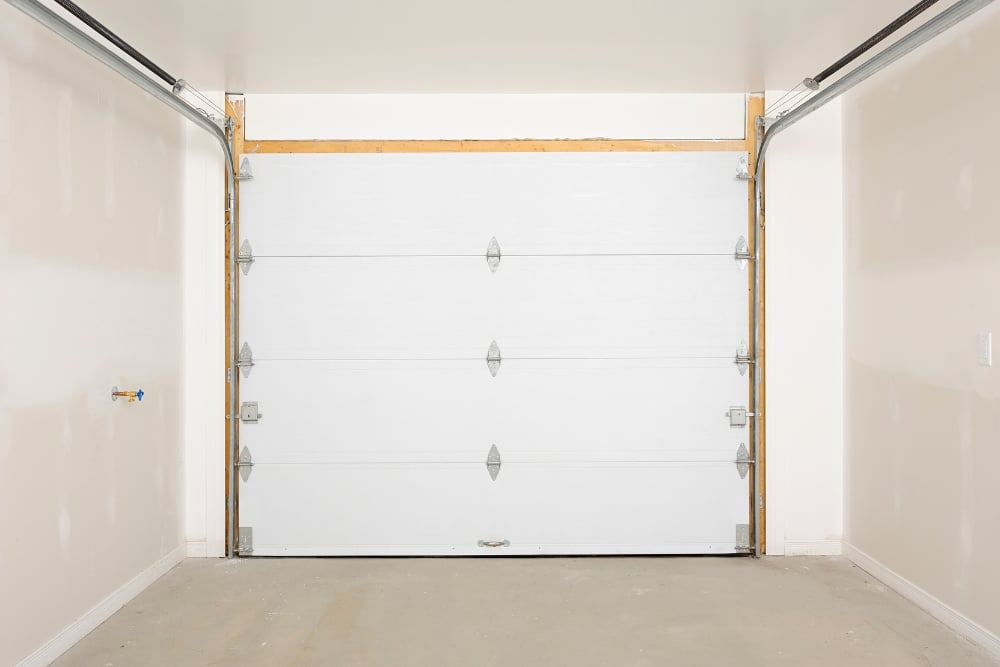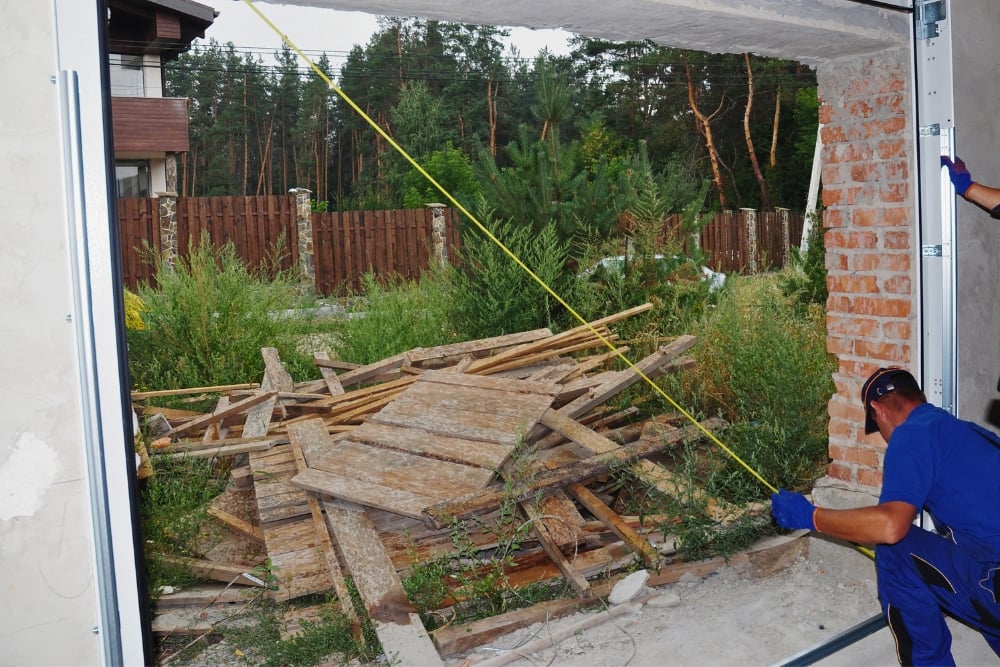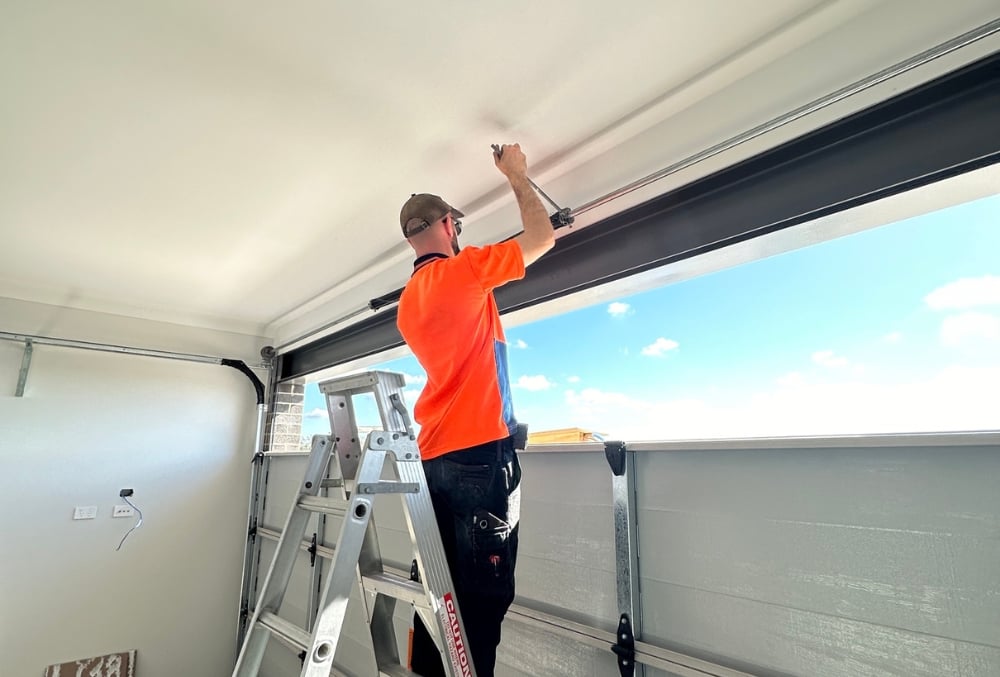
Coastal homes are exposed to salt, humidity, and constant airflow, which gradually affect metal parts and electrical components in a garage door motor. These conditions cause corrosion to form faster, increasing the chance of weakening or damage over time.
When corrosion builds or moisture settles inside the motor housing, the system may slow down, become noisy, or struggle to lift the door. These issues can appear without warning and may lead to sudden failure, making the door difficult or unsafe to operate.
Knowing that a garage door motor in a coastal area generally lasts around 10 to 15 years helps you prepare for garage doors servicing or replacement. With the right maintenance habits and early attention to symptoms, you can reduce the impact of salt and humidity and keep the motor operating dependably.
The Lifespan of Garage Door Motors in Coastal Areas
A garage door motor usually lasts about 10 to 15 years, but this can shorten for coastal homes. Salt in the air settles on metal surfaces and electrical parts, increasing the speed of corrosion. Moisture also contributes, as condensation can form inside the motor casing during changes in temperature.
The type of motor installed, how often it operates, and the conditions inside the garage all influence lifespan. Coastal environments place extra pressure on components, which can lead to earlier signs of wear. Cleaning and servicing the system helps slow the impact of salt and humidity, allowing the motor to operate more reliably over time.

Why Coastal Conditions Affect Garage Door Motors
Coastal areas have higher salt levels in the air, and this salt gradually settles on the metal and electronic parts of a garage door motor. Even when the salt is not visible, it slowly builds up and can lead to corrosion. Over time, this affects gears, screws, and sensitive components inside the motor housing.
Moisture also plays a major role. Humidity and sudden temperature changes can create condensation inside the motor, increasing the chance of electrical faults. When moisture and salt combine, parts weaken faster and may lose performance sooner than expected. These conditions make consistent cleaning and inspection important for preventing early deterioration.
Signs a Garage Door Motor Needs Attention
A garage door motor often shows clear indicators when parts begin to weaken. These signs can appear earlier in coastal areas due to salt and moisture. Short, noticeable changes in performance can help you identify issues before they worsen.
Common signs include:
- The door moves slowly or stops during a cycle
- Grinding or squeaking sounds during operation
- The remote or wall control works only at times
- The motor hesitates or struggles to lift the door
- The system shakes or produces more vibration than usual
Noticing these symptoms early helps prevent further wear. A professional check can confirm the cause and ensure the system remains safe to use.
How to Extend the Life of a Garage Door Motor
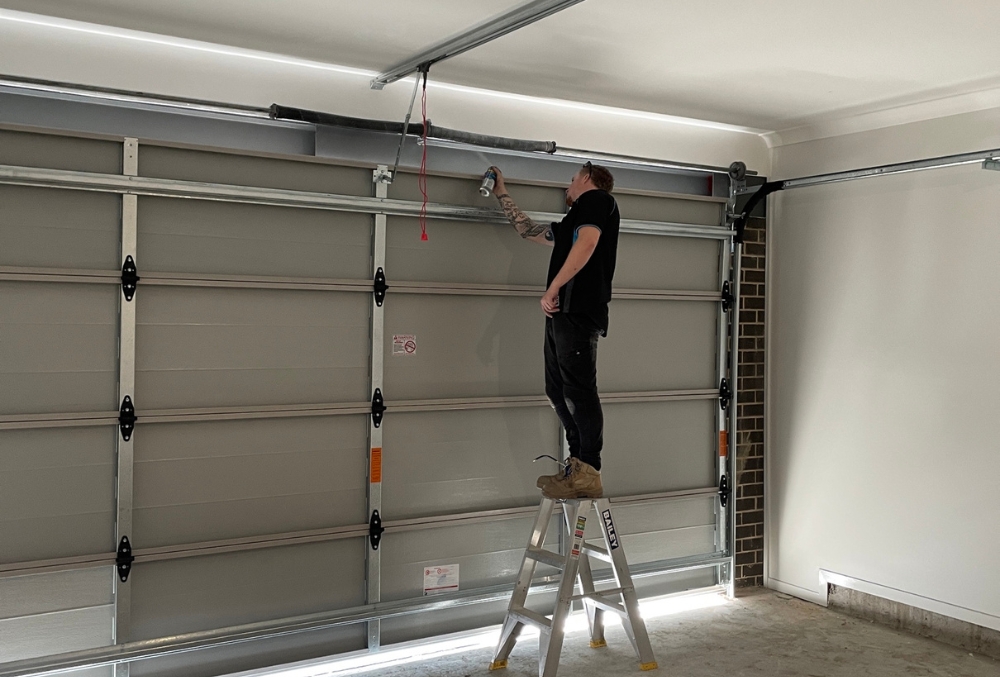
Coastal conditions place extra pressure on garage door motors, but simple care steps can help the system last longer. Cleaning, lubrication, and routine checks reduce the impact of salt and moisture. Paying attention to how the door operates also helps prevent strain on the motor.
Helpful maintenance habits include:
- Book servicing to detect issues early
- Wipe metal parts to remove salt residue or sand
- Apply a silicone-based spray to reduce friction
- Improve airflow in the garage to manage moisture
- Avoid forcing the door when it feels heavy
These actions support smoother operation and help slow the effects of corrosion over time.
When to Replace a Garage Door Motor
A garage door motor will eventually reach a point where servicing is no longer enough to keep it performing well. Motors near the coast may reach this stage earlier due to corrosion and moisture exposure. When a motor becomes unreliable, replacing it can provide safer and smoother operation.
Older motors often lack newer safety features and improved efficiency. Modern units may include quieter performance, better lifting strength, and smart controls that support app-based operation. A technician can assess the condition of the motor and advise whether replacement is the most practical option for the door type and environment.
FAQs
How often should a garage door motor be checked in a coastal area?
A motor in a coastal environment benefits from a check at least once a year to identify early signs of corrosion, wear, or electrical issues.
Can salt in the air affect the electronics inside a motor?
Yes. Salt can settle inside the casing and may interfere with sensors and control components.
Does the type of garage door impact motor lifespan?
Heavier or insulated doors place more load on the motor, which can influence how long it performs well.
What happens if a motor loses lifting strength?
Reduced lifting strength usually indicates worn parts or strain within the system.
Is it safe to keep using a motor that makes unusual noises?
Unusual noises often signal wear. A check helps prevent further damage.
We’re Here to Help
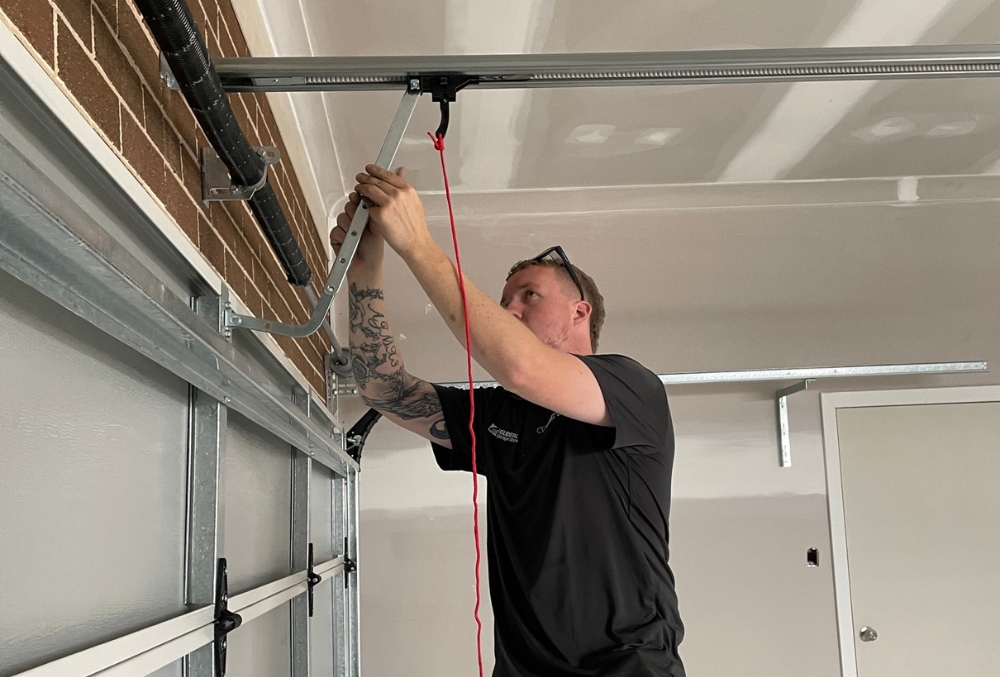
If your garage door motor is showing signs of wear or if it has been some time since the last check, a professional assessment can help identify corrosion, moisture damage, or performance concerns. This ensures the system remains safe and continues to operate smoothly.
Our team at Coast to Valley Garage Doors can assist with servicing, replacement, and advice for coastal conditions. You can contact us to arrange a visit or request information.