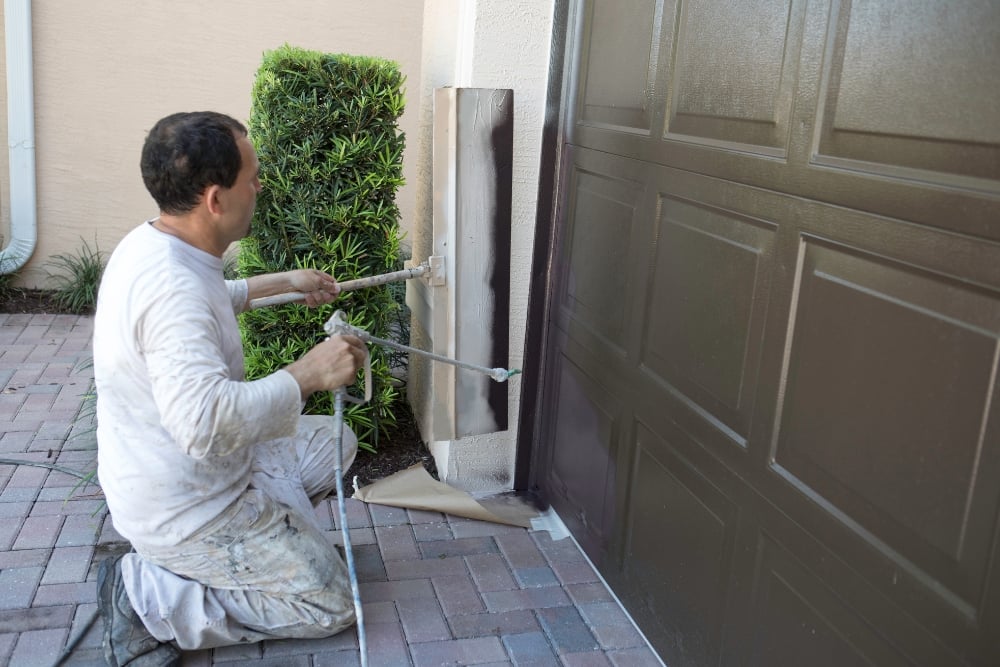
Yes, most garage doors can be painted or refinished to improve their appearance and extend their lifespan. Applying a new coat of paint is one of the simplest ways to refresh the exterior of a home and protect the door from weather exposure.
Before painting, it’s important to understand the type of material your garage door is made from. Steel, timber, aluminium, and Colourbond doors each require specific preparation and paint products to achieve lasting results.
A properly prepared and painted surface enhances durability and prevents early wear, while poor preparation can lead to peeling, fading, or uneven coverage. Knowing how to refinish your garage door correctly helps maintain both its look and performance.
Suitable Materials for Painting
Most garage doors can be painted, but the preparation process and products used depend on the material. Identifying the correct approach ensures the finish is durable and professional.
Steel and aluminium doors respond well to repainting when cleaned, sanded, and primed with a rust-preventive product. Wooden doors can be painted or stained but require sanding and weather-resistant coatings to protect against moisture.
Colourbond doors already have a strong factory finish, so light sanding and the use of compatible primers are essential before repainting. Fibreglass doors can also be painted if the right primer is applied to help the paint adhere properly.
Preparation is the key to achieving a smooth, long-lasting finish that maintains both appearance and protection.
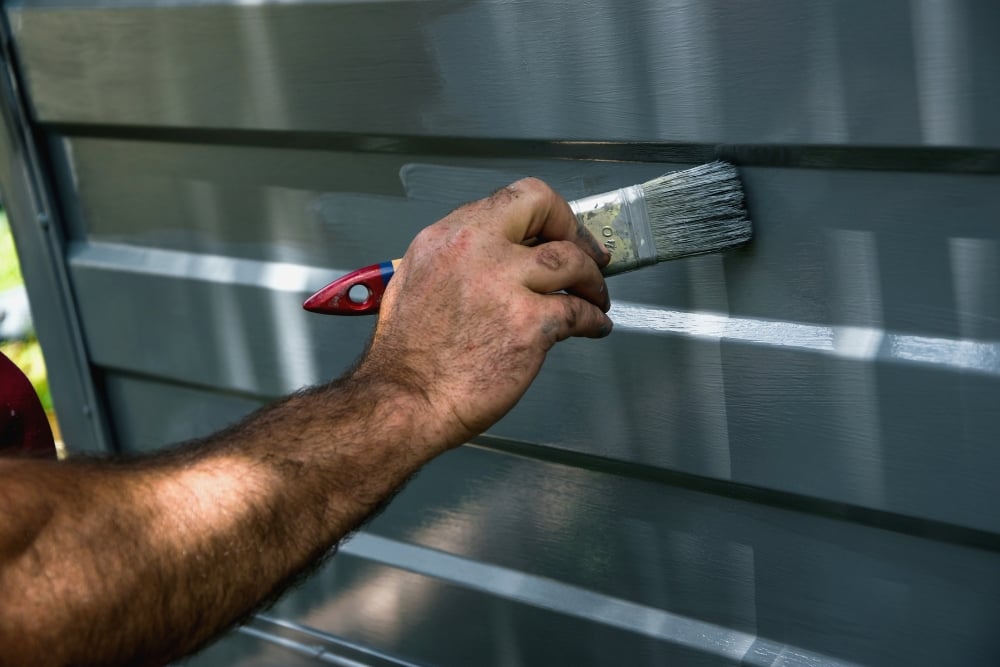
Preparation Before Painting
Proper preparation is essential before painting or refinishing a garage door. It ensures the paint adheres correctly and provides a smooth, lasting finish.
Before starting, follow these steps:
- Clean the surface to remove dirt, dust, and grease
- Sand to remove old paint and smooth rough areas
- Repair any cracks, dents, or rust spots
- Apply a suitable primer for the door material
- Use quality exterior paint for durability
- Paint in mild, dry weather for best results
Each of these steps helps prevent peeling, bubbling, or uneven coverage. Taking time to prepare the surface properly will extend the lifespan of the paint and maintain the door’s appearance.
When Painting Is Not Enough
A new coat of paint can refresh the look of a garage door, but it cannot fix functional or structural issues. If a door becomes noisy, uneven, or difficult to open, the problem is likely mechanical rather than cosmetic.
Worn springs, misaligned tracks, or damaged panels can cause the door to move unevenly or make grinding noises. Painting over these problems will not restore proper function and may hide underlying wear.
Before starting a refinishing project, check that the door operates smoothly and that all parts are in good condition. Addressing repairs first ensures both safety and performance, preventing further damage or costly breakdowns later on.
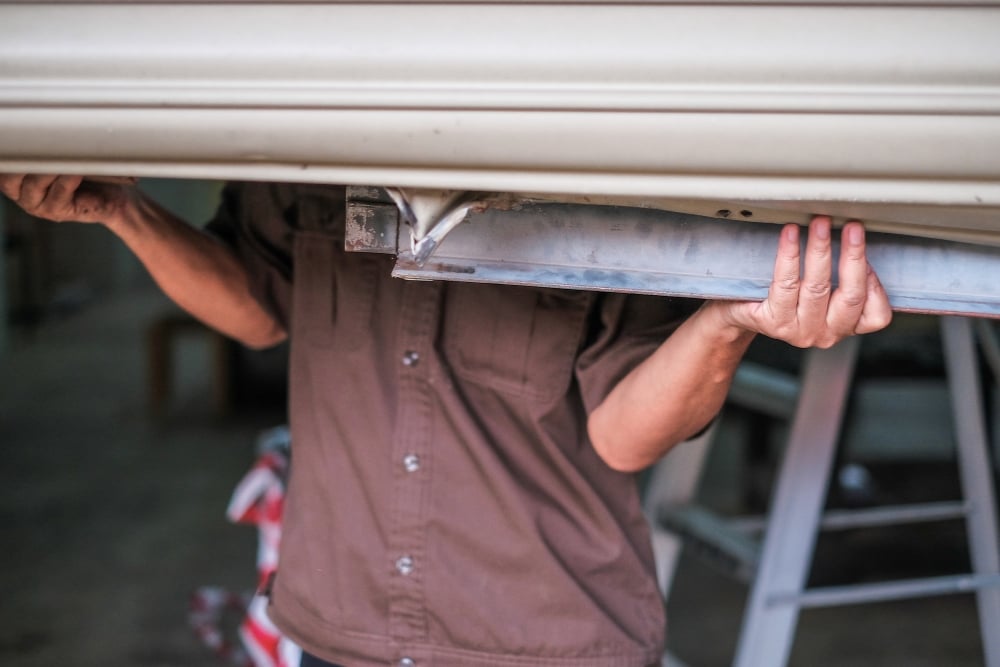
Common Problems That Paint Cannot Fix
Even after repainting, some garage door issues require more than surface treatment. Paint can improve appearance, but it will not repair mechanical wear or damage.
Common problems that paint cannot fix include:
- Jerky or uneven door movement
- Loud squeaking or grinding noises
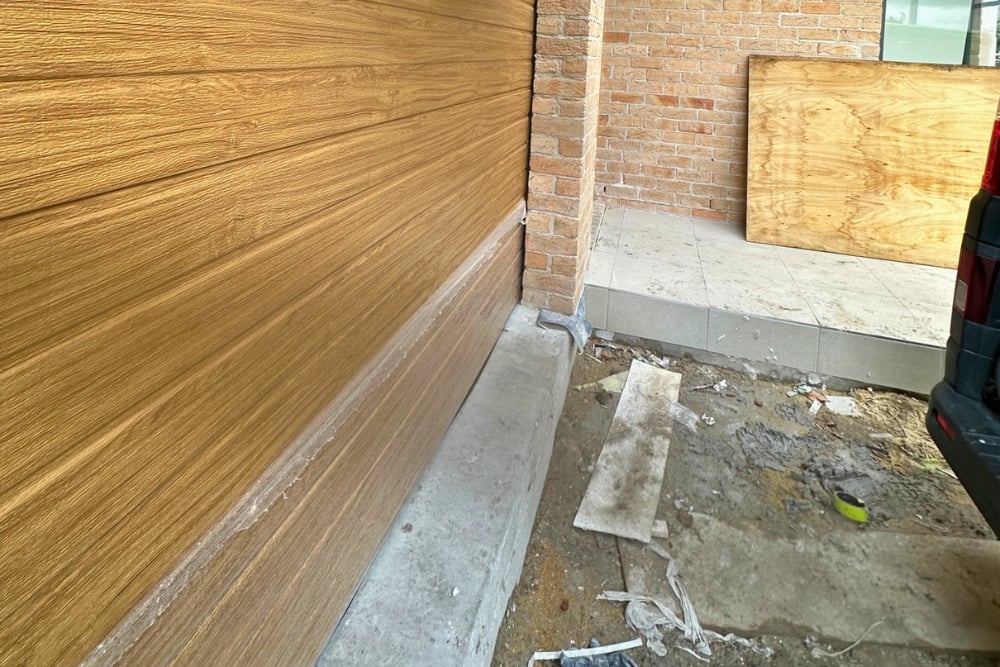
- Gaps between the door and the floor
- Faulty sensors or remotes
- Damaged tracks, cables, or springs
These issues affect safety and functionality and should be inspected by a professional technician. Attempting to repaint over damaged parts can hide problems temporarily but will not stop further deterioration. Addressing mechanical faults before painting ensures a safer, longer-lasting result.
Maintaining a Painted Garage Door
After repainting, proper maintenance helps keep a garage door looking its best and prevents early wear. Regular cleaning and minor touch-ups protect the paint and extend the life of the finish.
Homeowners can maintain a painted garage door by washing it every few months with mild detergent and water to remove dust and salt build-up. Inspect the surface for chips, scratches, or rust, and repair them promptly to prevent moisture damage. Lubricating hinges, tracks, and springs also helps the door move smoothly and prevents strain on the motor.
A well-maintained door improves both the appearance and performance of the home’s exterior while protecting the material underneath from exposure and corrosion.
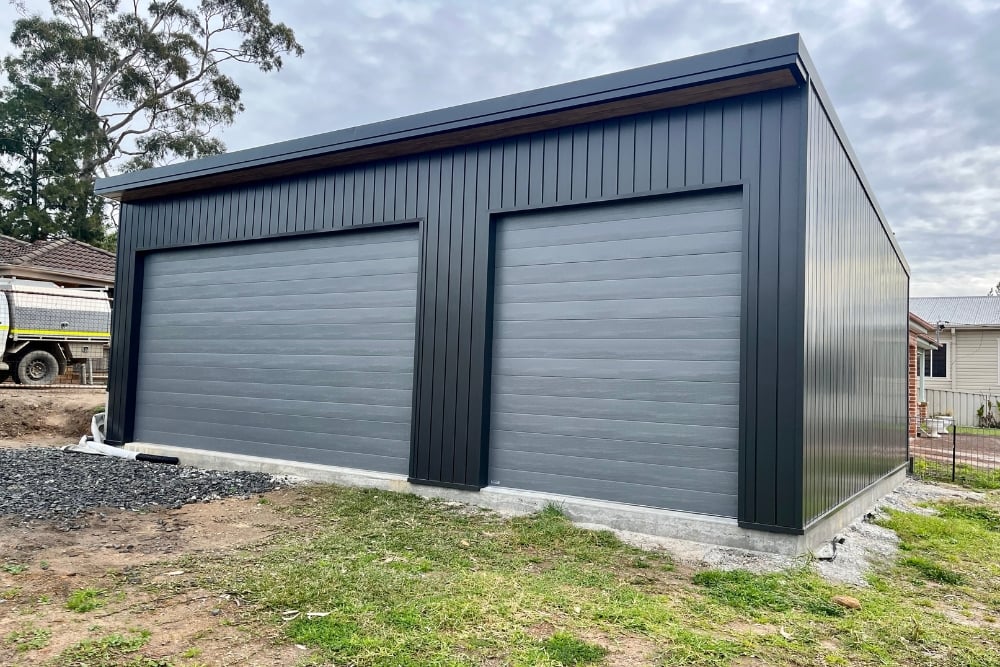
Professional Garage Door Services on the Central Coast
If your garage door needs more than a new coat of paint, professional servicing can restore both its look and performance. Expert technicians can inspect mechanical parts, fix misalignment, and address worn components that may affect safety or operation.
At Coast to Valley Garage Doors, we provide reliable maintenance, repairs, and replacements for all types of garage doors. Our team ensures that every door operates smoothly, safely, and looks great after any refinishing work.
Contact us today to arrange an inspection or request a quote. Our technicians service homes across the Central Coast, helping homeowners achieve both a fresh appearance and lasting performance for their garage doors.
Frequently Asked Questions
How often should a garage door be repainted?
Most garage doors benefit from repainting every five to seven years, depending on exposure to sunlight, salt air, and weather conditions. Regular maintenance helps preserve the colour and prevent rust or fading.
What type of paint is best for garage doors?
Use high-quality exterior acrylic or enamel paint designed for metal or timber surfaces. Always pair it with the correct primer for better adhesion and weather resistance.
Can Colourbond garage doors be painted successfully?
Yes, Colourbond doors can be repainted if properly cleaned and sanded first. Use a primer made for pre-coated surfaces to ensure the new paint adheres correctly.
Should I use a roller or spray paint for a garage door?
Both methods work well. Rollers give even coverage on flat panels, while spray painting can achieve a smoother finish for textured surfaces or detailed designs.
When is it better to replace rather than repaint a garage door?
Replacement is recommended if the door has major dents, corrosion, or mechanical faults that affect operation. Painting improves appearance but cannot fix structural or safety issues.