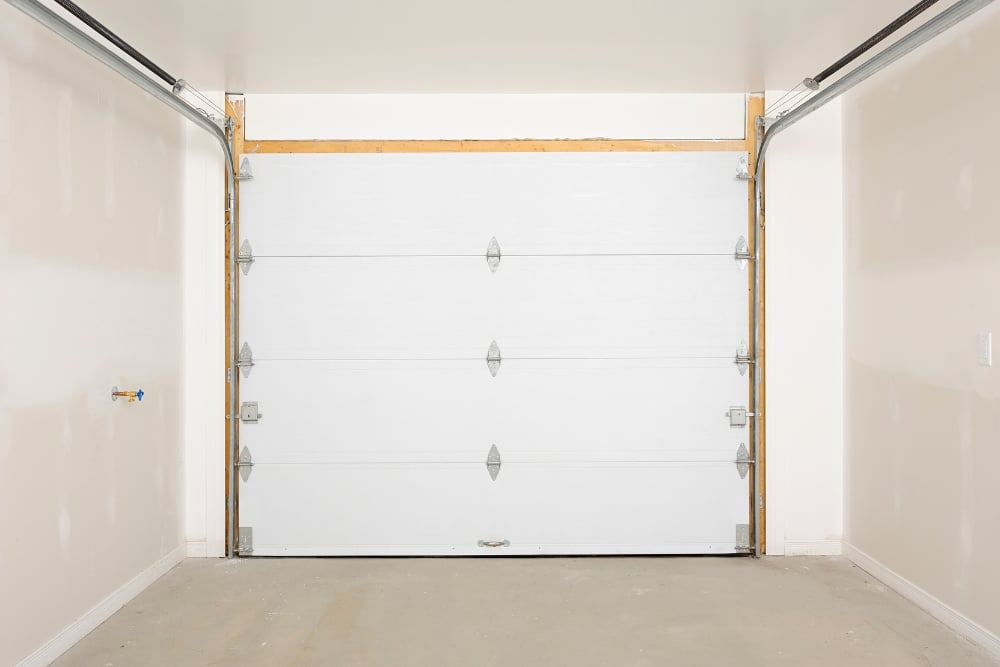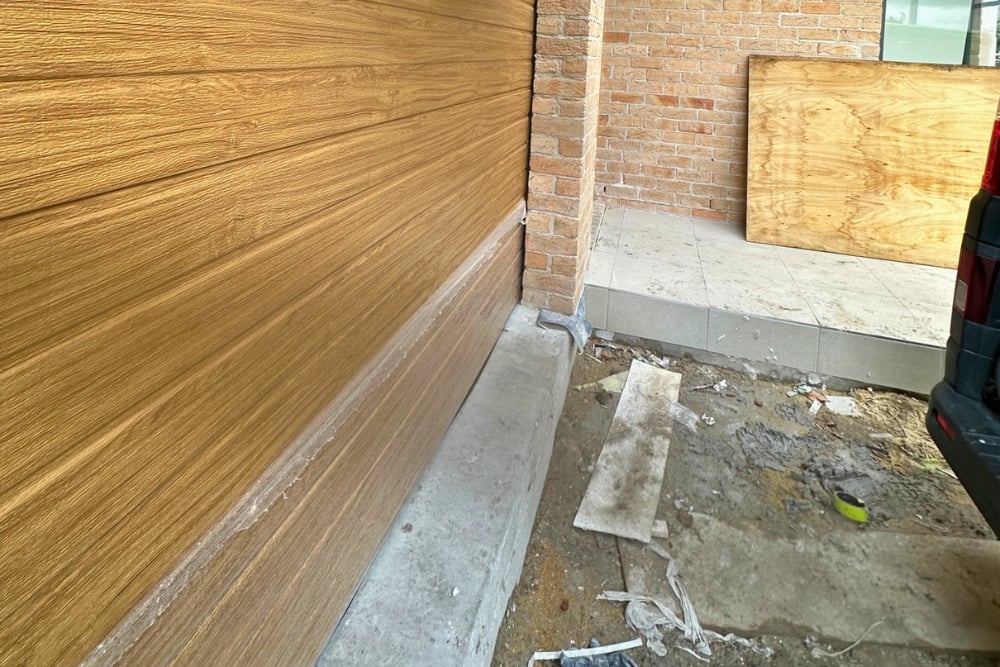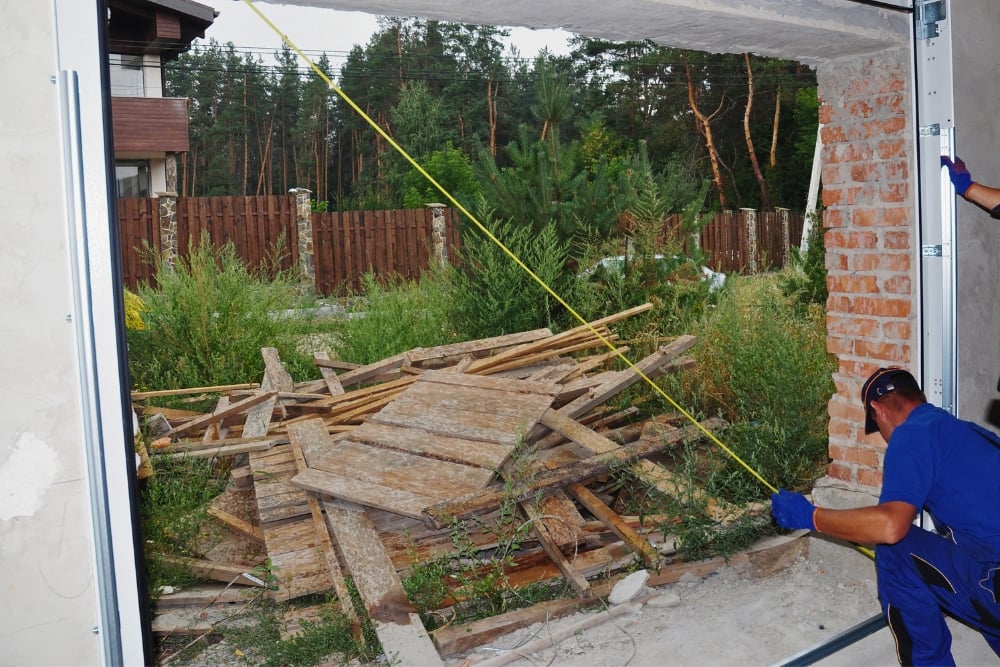
Coastal homes face harsher conditions than inland properties, especially when it comes to maintaining garage doors. Salt in the air, high humidity, and strong winds speed up wear and tear. This can lead to early corrosion, noisy operation, or complete failure if not addressed.
Many homeowners delay servicing, thinking the door still works fine. But waiting for problems to show can lead to expensive repairs and unexpected failures—often at the worst time.
This article explains how often garage doors should be serviced in coastal areas, what a typical service involves, and how to reduce damage between appointments. If you live near the ocean, these tips can help keep your system working longer and safer.
Why Coastal Garage Doors Need More Attention
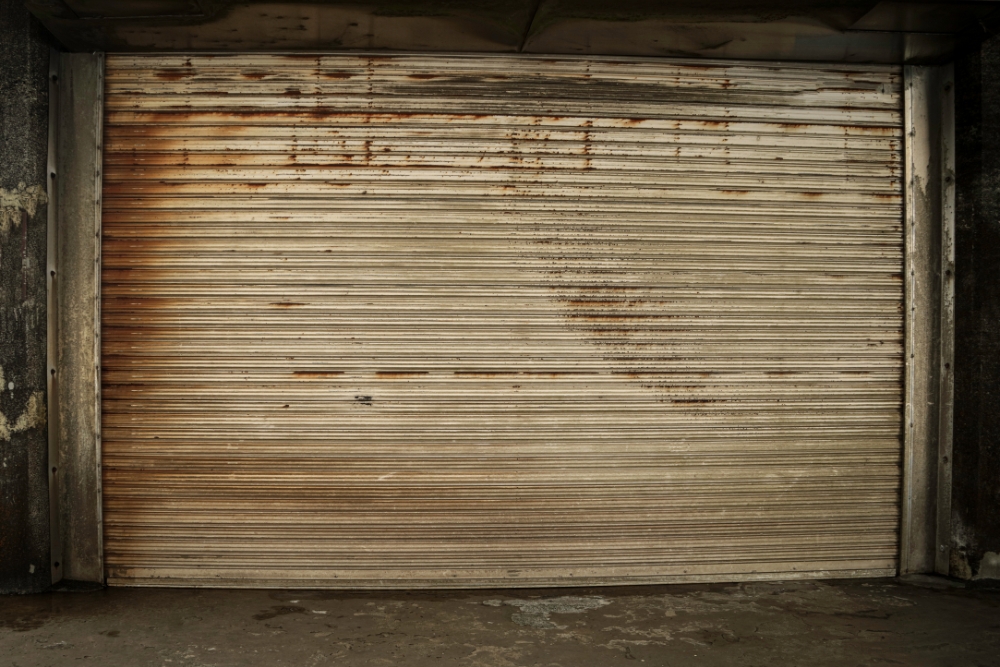
Garage doors in coastal regions are exposed to salt air, moisture, and wind-driven debris. These conditions increase the rate of rust, affect the movement of parts, and can wear down protective coatings faster than in other areas. Even stainless steel or aluminium components are not immune to long-term corrosion when exposed to coastal air.
Because of this, garage doors near the ocean need more frequent inspections and maintenance. Springs, hinges, and tracks may lose lubrication quicker or become stiff. Metal surfaces can show signs of rust within a shorter time frame, especially if the door is not cleaned or checked regularly.
Weather seals can also degrade faster, making it easier for moisture and dirt to enter the garage. This affects energy efficiency and increases the risk of water damage inside.
It’s also worth checking the opener and sensors, as high moisture levels may affect electrical parts. Keeping all components clean and well-lubricated is essential in coastal locations.
How Often Should Servicing Be Scheduled?
In coastal regions, garage door servicing is recommended every 6 to 12 months. The exact timing depends on how close the property is to the water and whether the garage is attached or exposed. Homes within a few hundred metres of the shoreline often experience faster corrosion and benefit from more frequent checks.
Scheduling twice a year allows for early detection of rust, damaged seals, or loose hardware. Technicians can also apply corrosion-resistant lubricant and assess whether weather seals are holding up. If issues are found early, they’re usually cheaper to fix.
Garage doors that are used several times daily—such as in households with multiple vehicles—may also need more frequent servicing, regardless of location. Movement causes wear on cables, rollers, and springs, which can worsen when combined with salt and sand exposure.
What a Garage Door Service Typically Includes
A standard service visit covers a full check of mechanical parts, hardware, and the opener system. In coastal areas, extra focus is placed on rust-prone components and areas where salt or moisture can build up.
Tasks typically include:
- Checking and adjusting spring tension for smooth lifting
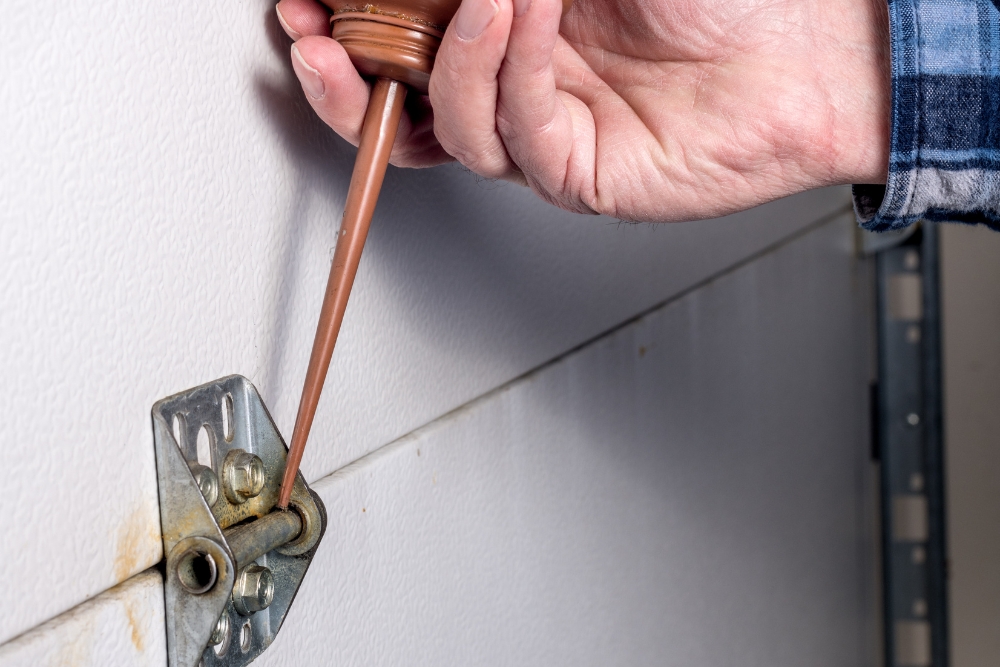
- Lubricating hinges, rollers, and tracks with corrosion-resistant products
- Inspecting cables for wear or fraying
- Cleaning and checking photo-eye sensors
- Tightening loose screws, brackets, and other hardware
- Inspecting weather seals for cracks or gaps
- Testing the auto-reverse safety mechanism
Technicians may also rinse off salt deposits or surface dirt, especially from the tracks and external panels. If the door has paint or protective coating, a visual check helps identify chips or early signs of rust. Addressing these early reduces long-term damage.
Tips to Reduce Wear Between Services
Even with regular maintenance, small actions can slow down wear and keep the system working reliably in coastal environments. These steps help prevent salt buildup, corrosion, and mechanical faults.
- Rinse the outer door surface with clean water every few weeks
- Wipe down exposed hardware and tracks to remove moisture and grime
- Trim nearby plants to stop debris entering the track or sensors
- Watch for early signs of damage like strange noises or slow operation
- Avoid household sprays—use only approved lubricants if needed
- Open and close the door occasionally if it’s not used daily
Homes close to the ocean benefit from basic cleaning routines that reduce the impact of salt and humidity. These habits won’t replace servicing but can help delay wear between scheduled checks.
Signs It’s Time to Book a Service
Knowing when to book a service can prevent minor issues from becoming major repairs. In coastal areas, the early signs of damage often show up around moving parts or exposed metal components.
Look out for:
- Rust or discolouration on tracks, hinges, or springs
- Grinding noises when opening or closing
- Uneven movement or the door getting stuck halfway
- Sagging or misaligned panels
- Gaps in weather seals or signs of water intrusion
- Slower response from the opener or sensors
If any of these signs appear, it’s best not to delay. Servicing on time can prevent long-term structural damage, especially in high-moisture areas.
For assistance or bookings, contact us to arrange a checkup suited to your location and setup.
Local Support for Coastal Properties
Servicing needs vary depending on how close the property is to the water and how often the door is used. Some homes may only need annual checks, while others—especially those near the shoreline—require more frequent attention.
Coastal weather speeds up wear on moving parts, metal tracks, and painted surfaces. That’s why it’s useful to work with a provider familiar with local conditions. Coastal setups also face more issues with wind-driven debris and sensor misalignment caused by salt buildup.
If you’re based in the region and unsure about servicing needs, Coast to Valley Garage Doors provides inspections, scheduled maintenance, and support for coastal homes. Service plans can be adjusted based on use, door type, and exposure to environmental conditions.
Frequently Asked Questions
Why do garage doors in coastal areas need more servicing than inland ones?
Coastal air carries salt and moisture, which speed up corrosion. This affects tracks, springs, and moving parts even if the door appears to work normally.
What’s included in a standard service for coastal homes?
A typical service covers inspection of springs and cables, tightening of hardware, alignment checks, and cleaning of moisture-prone components.
Is corrosion always visible?
No. Internal corrosion can build up before surface rust shows. That’s why servicing focuses on mechanical checks, not just appearance.
Should newly installed doors be serviced sooner?
Yes, especially if installed close to the ocean. A check within the first 6 months helps identify early wear or alignment issues caused by environmental factors.
Do steel and aluminium doors need the same servicing schedule?
No. Aluminium resists rust better, but all types still require mechanical checks and track cleaning to perform well in coastal settings.