If your home is near the coast, you’ve likely noticed how quickly metal surfaces start to degrade. Coastal environments accelerate corrosion because salt, moisture, and humidity rapidly attack any exposed metal parts. Powder coating is one practical solution that can significantly slow down this damage and help keep your garage door looking good for years.
In this article, we’ll explore what powder coating is, how it works, and why it provides excellent protection for garage doors, especially in coastal areas.
What Is Powder Coating?
Powder coating is a finishing process used to protect metal components from rust, corrosion, and general wear and tear. Unlike traditional paints that contain solvents, powder coating uses dry, powdered resins and pigments. These powders adhere to metal surfaces using electrostatic charges before being heat-treated to form a durable and protective finish.
Powder coating is popular because it delivers consistent coverage, resists damage effectively and maintains an attractive appearance far longer than regular paint.

How Powder Coating Protects Your Garage Door
The protective qualities of powder coating are especially beneficial in coastal regions.
Strong Corrosion Resistance
Coastal areas are challenging environments because of their salty, moist air. Standard paints and finishes quickly deteriorate under these conditions, allowing rust to develop. Powder coating forms a hard, continuous layer around metal surfaces, which acts as a barrier against moisture, salt, and other corrosive elements.
Exceptional Durability
Garage doors face constant use and exposure to harsh weather. Powder coating forms a strong, durable finish that resists scratching, chipping, and general wear, ensuring your garage door and its components remain in excellent condition for much longer.
Consistent Coverage and Finish
Powder coating uses electrostatic application, meaning powder particles naturally cling evenly to metal surfaces. Even corners, edges, and hard-to-reach areas get coated thoroughly, which can be difficult to achieve with traditional painting methods.
The Powder Coating Process Explained
To understand why powder coating is effective, it’s helpful to know how it is applied. The process includes several key steps:
Step 1: Surface Preparation
Before any coating, metal surfaces must be thoroughly cleaned. Oils, dirt, rust, or old paint need to be completely removed. Good preparation ensures the coating adheres properly and lasts longer.
Step 2: Application of Powder
Next, a technician applies the powder coating using an electrostatic spray gun. The powder particles are electrically charged, causing them to cling firmly and evenly to the metal surfaces, ensuring complete coverage.
Step 3: Curing and Hardening
After application, the coated metal parts are placed in a curing oven. The heat causes the powder particles to melt, flow together, and then harden into a uniform, robust finish. Once cooled, the coating is highly resistant to damage and corrosion.
Special Marine-Grade Powder Coating for Coastal Areas
Not all powder coatings are the same. Coastal homes require marine-grade powder coating, specifically formulated to withstand salt spray, moisture, and UV exposure. This type of powder coating contains specialised additives that offer greater corrosion resistance compared to standard powder coatings.
Marine-grade powder coating is ideal for garage door components such as:
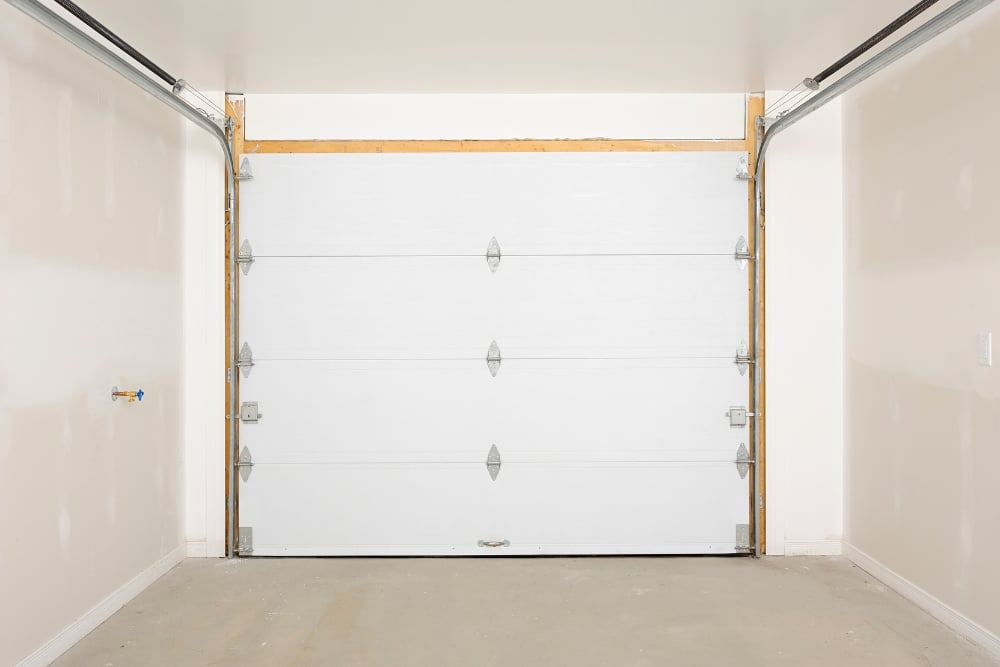
- Tracks and brackets
- Hinges and hardware
- Metal fittings frequently exposed to coastal conditions
Choosing marine-grade powder coating for these parts ensures maximum lifespan and reliability.
Why Powder Coating Is Ideal for Coastal Homes
For homeowners near the coast, powder coating offers clear, practical advantages.
Low Maintenance Requirements
Because powder-coated surfaces are resistant to chipping and corrosion, they need less maintenance compared to traditional paint. Cleaning can be done with a mild detergent and fresh water, keeping maintenance easy and inexpensive.
Longer Lifespan of Garage Components
The protection provided by powder coating significantly extends the lifespan of metal garage door parts. This means fewer replacements and repairs, saving homeowners money and time.
Improved Appearance
Powder-coated garage doors maintain a smooth, uniform appearance over time. The finish is resistant to fading, scratching, and staining, ensuring your garage door continues to look attractive despite the coastal climate.

Maintenance Tips for Powder-Coated Garage Doors
Even with robust protection, some basic care ensures your powder-coated garage door remains in top shape:
- Regularly rinse your garage door components with fresh water to remove salt build-up.
- Use mild detergents for occasional deeper cleaning; harsh chemicals should be avoided.
- Inspect regularly for any signs of wear or damage, addressing minor issues promptly.
- Have professional maintenance checks periodically to extend the life of your garage door components.
Do You Have Rust Issues, on Your Garage Door?
Powder coating is one of the best protective finishes available for metal components in coastal environments. It provides outstanding resistance to corrosion, long-term durability, and a consistently attractive appearance. Investing in marine-grade powder-coated components for your garage door ensures reliability, reduced maintenance, and prolonged lifespan, making it an ideal choice for coastal living.
To learn more about powder coating and garage door care, talk to the team at Coast to Valley Garage Doors.