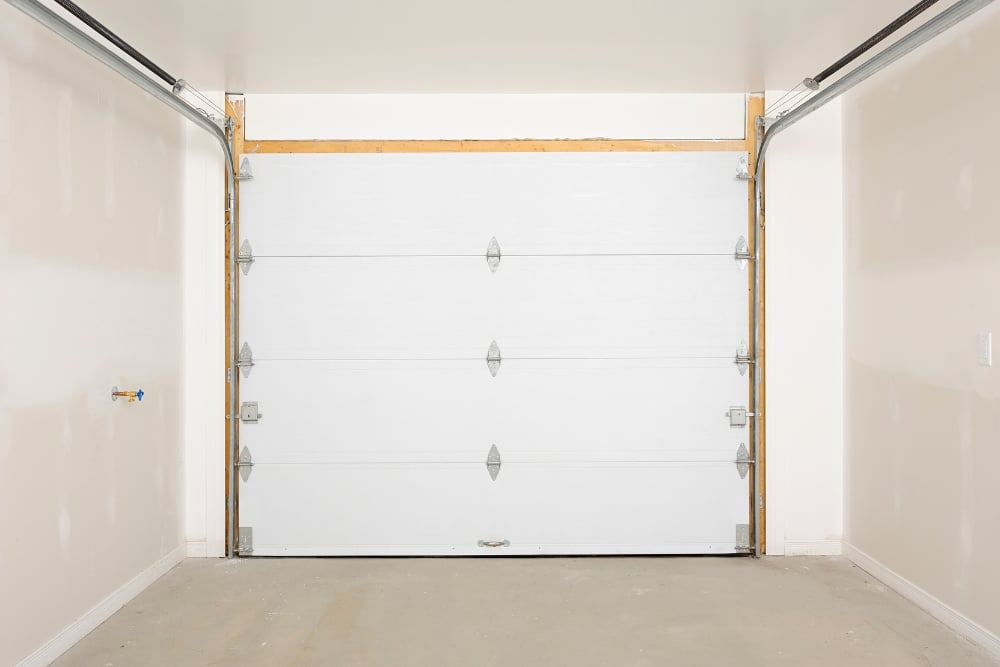
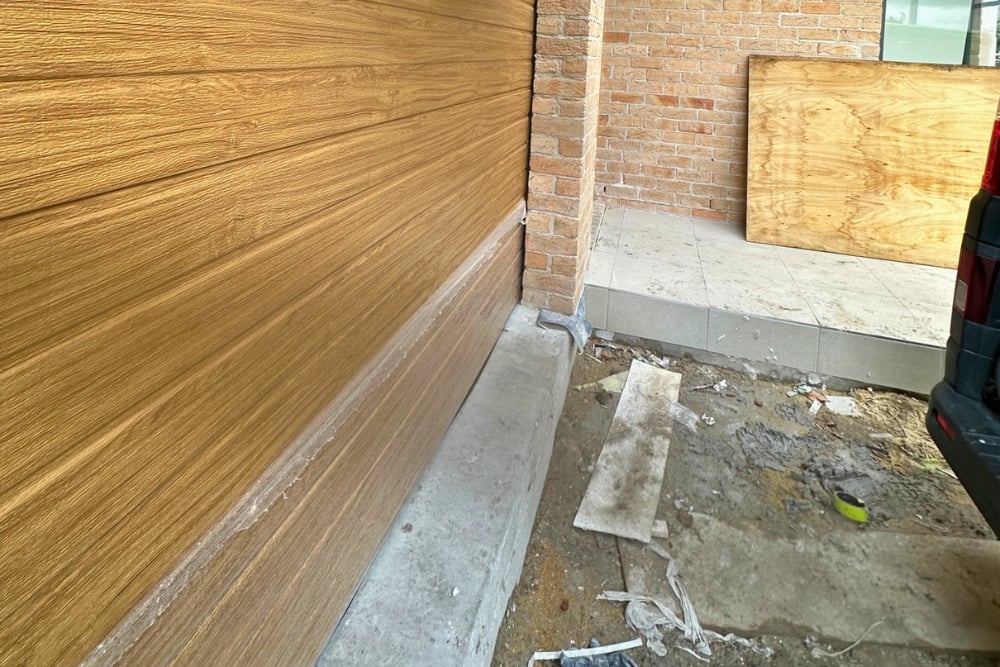
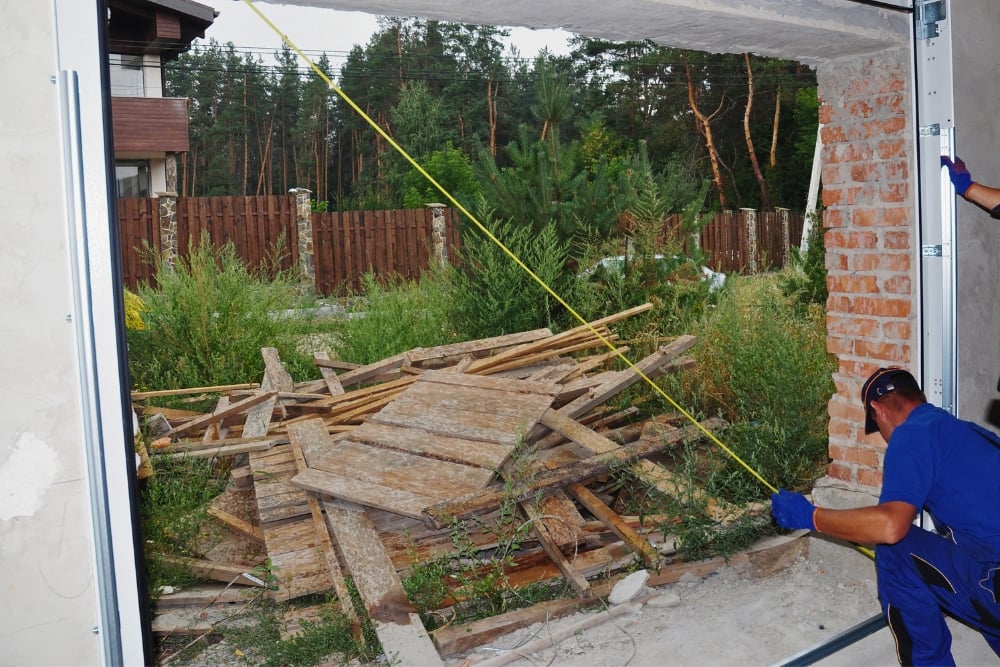
Garage spaces are often exposed to dust, moisture and pests—especially in changing weather conditions. Without proper sealing, these external elements can quickly lead to damage or hygiene issues inside. Homeowners on the Central Coast and nearby regions often face sudden shifts in rainfall, wind, or heat, making this problem more common than expected.
A common cause is worn or missing weather seals. These are flexible strips fitted to the edges of a garage door to help close the gaps when the door is shut. Over time, seals wear out due to sun exposure, ground friction or changes in temperature. When this happens, water can seep in during storms, insects can enter through small gaps, and dirt or leaves can build up across the floor.
To reduce these issues, weather seals provide a low-cost upgrade that can block most of these unwanted problems. Replacing them is a simple job that can prevent expensive repairs or clean-ups. This article outlines what these seals do, how to check their condition, and when it’s time to install new ones.
What Is a Weather Seal?
A weather seal is a flexible strip fixed to the bottom, sides or top of a garage door. It fills the small gaps between the door and the surface it closes against, such as the floor or frame. When the door is shut, the seal is compressed to help block air, dust, water or pests from entering. These seals are made from rubber, vinyl or similar flexible materials that can maintain their shape under pressure.
Garage door seals are available in different types depending on the door style. Roller doors often use wide bottom seals, while panel lift and tilt doors may use side or top seals as well. Some seals slide into an aluminium track, while others are screwed or glued into position. The choice of material and seal shape depends on the condition of the garage floor, the size of the gap, and the type of door movement.
Seals are not structural parts, but they support the overall condition of the garage by helping to manage internal temperature, block insects, and prevent water from entering during storms.
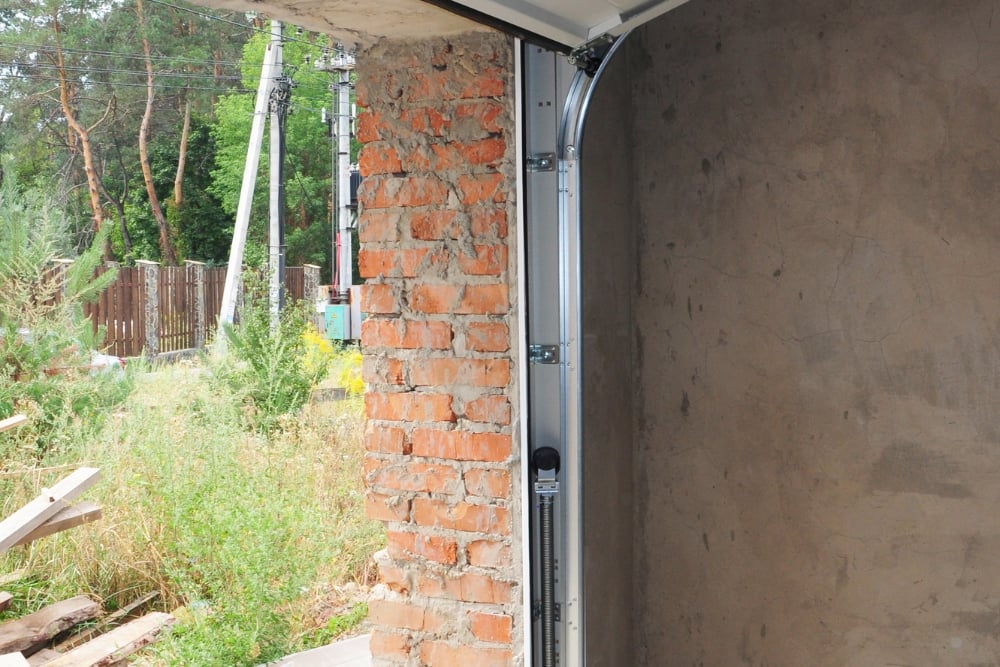
What Do Weather Seals Actually Do?
Weather seals serve as a barrier that helps reduce the entry of water, pests, dirt and outdoor air into the garage. When properly installed, they close off the small gaps around the door that would otherwise stay exposed during strong wind, rain or heat. These strips work passively but play a key role in maintaining garage cleanliness and reducing moisture-related problems.
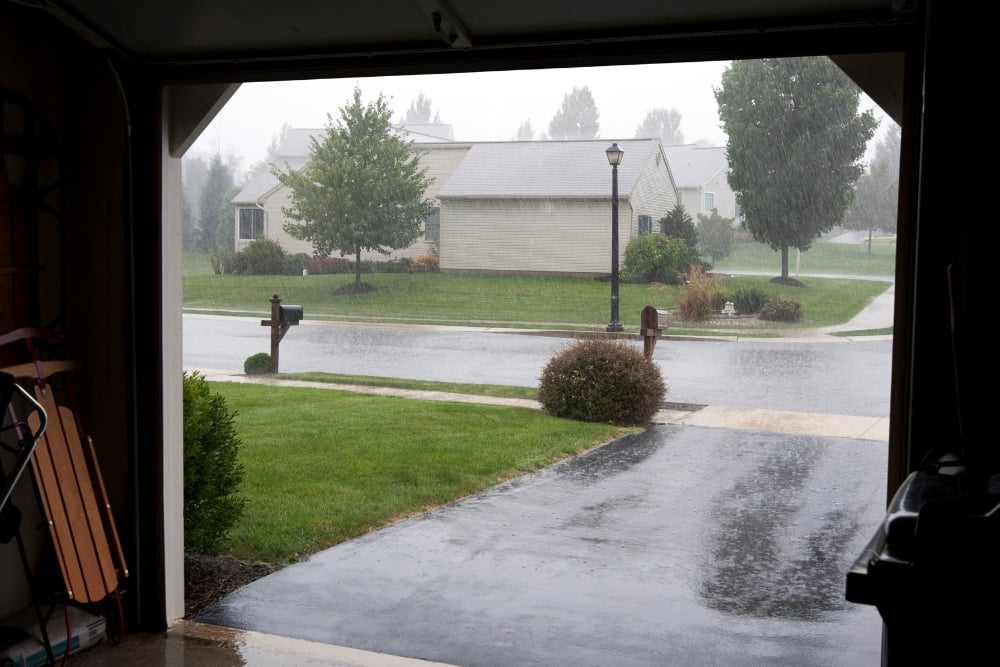
One of their main functions is to stop rainwater from entering through the base of the door—especially useful if the driveway slopes toward the garage. A working seal also helps limit the amount of dust and leaves blown in by wind, which can cut down on cleaning needs and prevent damage to stored items.
For garages attached to homes or used as workshops, seals also help reduce draughts and stabilise temperatures inside. They don’t insulate, but they slow down air leaks, helping make the space more usable year-round.
Seals also block small entry points often used by pests like mice, spiders or cockroaches. This is particularly helpful for homes in regional or bushland areas.
How to Tell If Your Seal Needs Replacing
Garage door seals wear out over time due to constant pressure, exposure to sunlight, and contact with dirt or water. Once they become worn, they stop creating a tight seal, allowing moisture, pests or outdoor air to get through. Knowing what signs to look for can help identify when it’s time for a replacement.
Common indicators include visible light under the door when it’s shut, or feeling air flow around the sides. If water enters during heavy rain, especially near the base, the seal may no longer be making full contact with the surface. A damaged or old seal might also look dry, cracked or misshapen. It may lose its flexibility, causing gaps even when the door is closed fully.
Check the seal by closing the door and inspecting the edges for daylight or small gaps. If the material is brittle or no longer bounces back when pressed, it is likely past its useful life. Replacement can be done quickly and provides immediate improvement in moisture and pest control.
Need Help With Seal Installation?
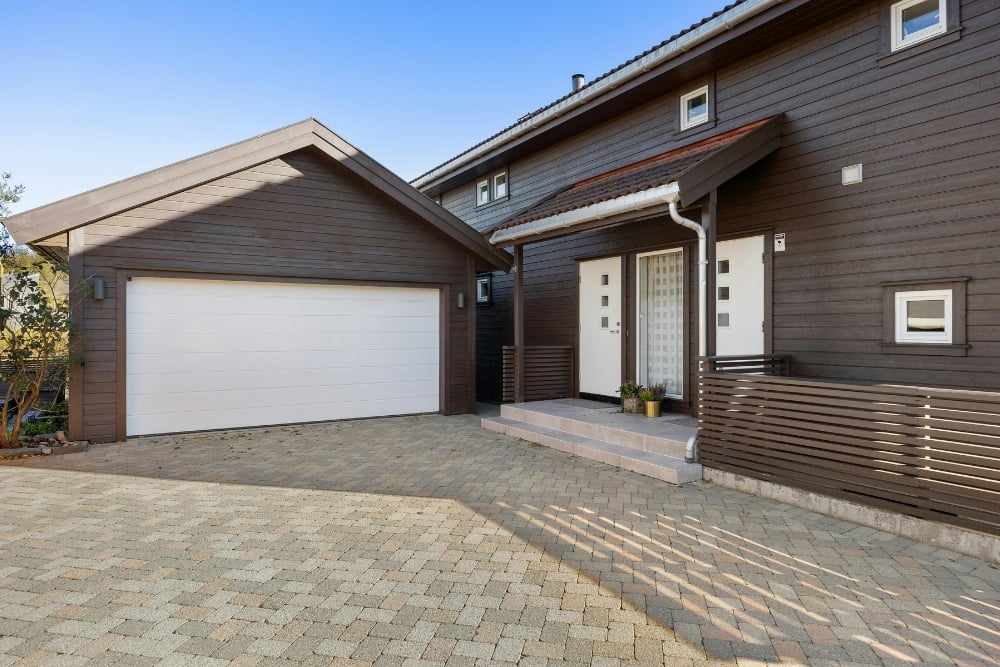
If your current seal is cracked, missing, or no longer effective, a replacement can improve the condition of your garage immediately. Installation is a straightforward task, but choosing the correct seal type depends on the door style and surface conditions. For homeowners unsure about what to install or how to fit it, professional service can help reduce mistakes and improve results.
Garage door accessories like weather seals are available for different door types including roller, panel lift and tilt doors. Each option is fitted to suit the existing tracks or frame, helping prevent leaks, draughts or pest entry. An inspection can help confirm what’s needed before replacement.
We supply and install weather seals across the Central Coast, Lake Macquarie, and the Hunter Region. If you’ve noticed leaks, dust or air coming through the edges of your door, we can check the seal condition and install a new one where needed.
To request a quote or inspection, contact us through our service form or call directly for availability.
Frequently Asked Questions
How long do weather seals last?
Most seals last between 3 to 5 years. Direct sun exposure, heat, and constant use can cause the material to harden or crack. If water or pests are entering, or light is visible under the door, it may be time to replace the seal.
Can I install a seal myself?
It depends on the door type. Some seals are designed to slide into existing tracks, while others require fixing with screws or adhesive. If unsure about the right seal or how to install it, professional help can prevent damage to the door or surface.
Will a new seal stop water leaks?
In many cases, yes. A well-fitted bottom seal helps block rain runoff, especially if the floor is flat. If leaks continue, the issue could be due to poor drainage or an uneven surface.
What seal works best for my door?
Roller, panel lift, and tilt doors all require different seal types. The right option depends on how the door moves and the condition of the frame. A site check can help match the correct product.
Do seals help control indoor temperature?
Yes. While not full insulation, they reduce draughts and slow down air leaks, helping maintain more stable temperatures inside.