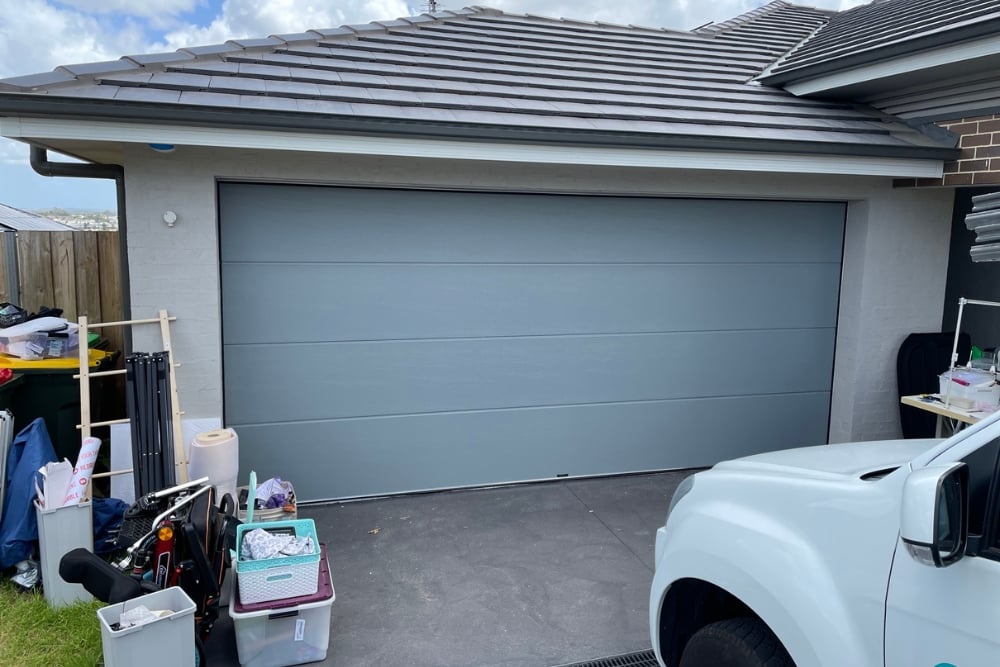
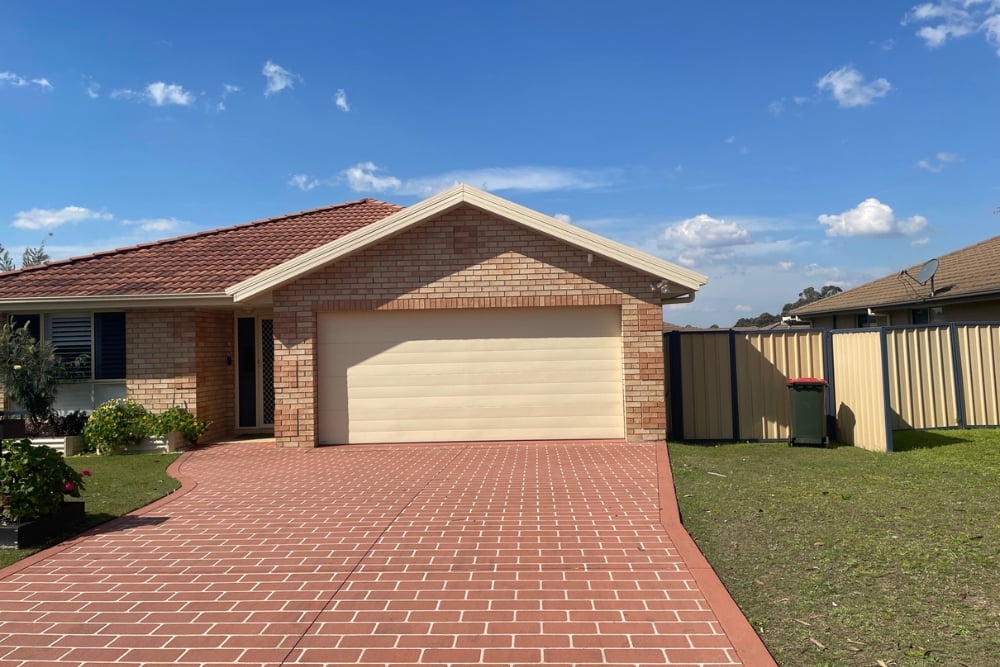
It can, but the answer is more nuanced than a simple yes. A garage door upgrade, insulated or otherwise, consistently ranks among the better-returning home improvement projects in Australian property research. The reason is straightforward: the garage door is one of the largest visible elements on the front of most homes, and buyers notice it. First impressions matter at inspections, and they matter in listing photos.
Insulation adds a second layer to that equation. Beyond the visual upgrade, it signals to buyers that the home has been improved thoughtfully, not just cosmetically.
Our range of insulated garage doors includes sectional, tilt, and roller options suited to homes across Newcastle, Lake Macquarie, Hunter Valley, Port Stephens, and the Central Coast. Here is what actually drives property value when it comes to garage door upgrades.
What Buyers Are Actually Paying Attention To
Most buyers walking through a home at an open inspection are not specifically assessing garage door insulation. What they register is whether the home looks well maintained and whether the garage feels like a usable, comfortable space.
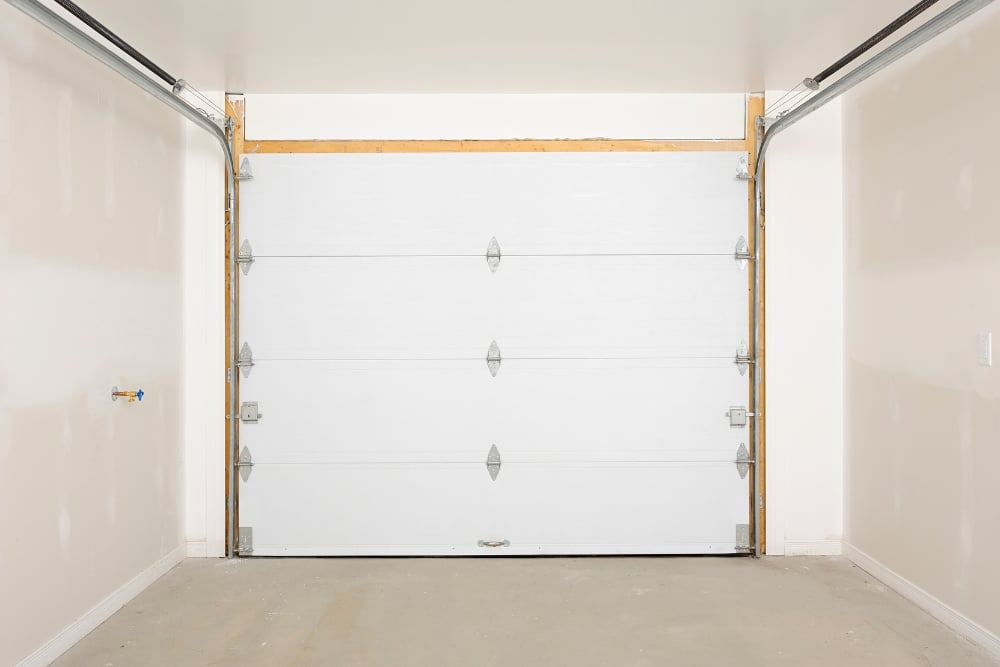
An insulated door contributes to both. Compared to a single-skin door, it has a more solid and premium appearance. The panels sit flatter, the finish holds better over time, and the door operates more quietly. All of that reads as quality to someone walking through a home.
Whether it translates into a higher sale price depends on the local market, the overall condition of the home, and how the door fits with the rest of the property. In the Hunter Valley and Lake Macquarie market, where newer estates are common and buyers have high expectations around finishes, a quality insulated door gets noticed.
Understanding R-Values: What You Are Actually Buying
When comparing insulated garage doors, R-value is the key specification. It measures resistance to heat flow. The higher the R-value, the better the door resists temperature transfer between the garage interior and the outside.
For most Australian homes, an R-value between R1.4 and R2.0 covers standard attached garages where the priority is comfort and energy efficiency. For garages used as workshops, home offices, or living areas, a higher R-value in the R2.5 to R3.5 range provides a more consistent internal temperature year-round.
Insulation types used in insulated garage doors
There are two main insulation materials used in the doors we supply and install:
- Polystyrene (EPS): panels bonded between steel skins. Cost-effective, lightweight, and well suited to most residential applications. Provides good thermal and noise reduction performance.
- Polyurethane foam: injected directly into the panel cavity during manufacture. Denser than polystyrene, with a higher R-value per millimetre of thickness. It also adds structural rigidity, making the door more resistant to denting and flexing.
For a full breakdown of insulation materials, R-values, and DIY versus professional installation, our garage door insulation guide covers everything you need to know.
The Thermal Comfort Argument
Insulated doors reduce heat transfer between the garage and the rest of the home. For an attached or internal garage, that means a cooler space in summer and a warmer one in winter, which flows through to the adjacent rooms.
Buyers who work from home, use the garage as a workshop, or have young kids who use the garage regularly will notice this. It is not the headline selling point, but it becomes part of the conversation when buyers are comparing similar properties.
In the current market, energy efficiency features are receiving more buyer attention than they were five years ago. A home upgraded with insulation throughout, including the garage door, tells a story about how the property has been maintained.
According to the Australian Government’s YourHome resource, heating and cooling account for approximately 40 percent of household energy use. A well-sealed insulated garage door on an attached garage contributes to reducing that load.
The Investment and ROI Angle
Garage door replacements consistently rank among the top home improvement projects by return on investment in Australian property studies. The figures vary depending on the market and source, but the recurring finding is that garage door upgrades return more than 70 to 80 cents in the dollar at resale. Some
Australian industry data puts that figure closer to 90 cents in the dollar when combining a new insulated door with automation.
Insulated doors cost more upfront than standard single-skin doors, typically 20 to 40 percent more depending on panel thickness, insulation type, and style. The dual-skin steel construction with foam core makes them inherently more rigid and resistant to denting and warping over time.
Do insulated garage doors last longer than standard doors? covers the durability side of that equation in detail, including how total cost of ownership compares over the life of the door.
The ROI case is strongest when the upgrade is done before a sale and the rest of the property is in good condition. A premium garage door on a poorly presented home will not rescue the sale price. On a well-maintained home in a competitive market, it can be the detail that tips a buyer’s decision.If you are looking at a specific insulated option for a mid-to-upper market home, our Eco Insulated Sectional Garage Door is one of the most popular choices for homeowners focused on both performance and resale presentation.
What About Investment Properties?
For rental properties, the calculation is slightly different. Tenants do not pay a rent premium for an insulated door the way a buyer might factor it into an offer. Landlords tend to prioritise durability and low maintenance over thermal comfort.
That said, a quality insulated door on a rental property reduces the likelihood of repair call-outs over time. The dual-skin construction is more resistant to everyday impacts than a single-skin door. And when the property eventually goes to market, the door is one less thing a buyer will want replaced.
For investment properties on the Central Coast or near Lake Macquarie, where salt air and humidity accelerate corrosion on unprotected steel, a powder-coated insulated door also has a clear corrosion resistance advantage.
Best garage door for a rental property covers the specific trade-offs for investment properties, including which door types hold up best over tenancy cycles and whether the extra cost of insulation stacks up in that context.
Is It Worth Doing Before You Sell?
If your existing door is dated, damaged, or just looks tired, replacing it before listing is almost always worth considering. The improvement to street appeal and the signal it sends about the property’s overall condition can return more than the cost of the door itself.
If your existing door is in reasonable condition and you are only wondering whether upgrading to an insulated model adds enough value on its own to justify the price difference, the honest answer is: probably not on the door upgrade alone. The thermal performance, noise reduction, and durability benefits need to factor into the decision alongside resale value.
The best approach is to get a quote, compare it against what similar properties in your area are achieving, and weigh it against what buyers in your specific market respond to. We are happy to talk through the options.
Call us on 02 4955 3332. We are based in Cameron Park and service Lake Macquarie, Newcastle, the Hunter Valley, Port Stephens, and the Central Coast.
Frequently Asked Questions
Does an insulated garage door increase home value in Australia?
Yes, in most cases. Garage door upgrades consistently rate among the higher-returning home improvement projects at resale. Australian industry data indicates returns of 70 to 90 cents in the dollar on the investment. Insulation strengthens that case by adding energy efficiency and durability benefits that buyers weigh alongside street appeal.
What R-value garage door do I need for my home?
For most attached residential garages in NSW, an R-value between R1.4 and R2.0 provides good thermal performance. If you use your garage as a workspace, home gym, or home office, or if the garage shares a wall with a bedroom or living area, a higher R-value in the R2.5 to R3.5 range is worth considering. We can advise on the right specification for your home during a free consultation.
How much more does an insulated garage door cost than a standard door?
Insulated garage doors typically cost 20 to 40 percent more than a comparable single-skin door, depending on the insulation type (polystyrene or polyurethane), panel thickness, size, and style. Over the life of the door, the reduced maintenance and longer lifespan narrow that cost difference significantly.
Is it worth replacing my garage door before selling my house?
If your existing door is dated, visibly damaged, or out of step with the rest of the property’s presentation, replacing it before listing is almost always worth considering. The improvement to street appeal alone can return more than the cost of the door. If the door is in reasonable condition, a professional service and any cosmetic repairs will still improve how the property presents at inspection.
Does insulation type affect how long a garage door lasts?
The insulation material itself does not directly extend the door’s life, but the construction method does. Insulated doors are built with dual steel skins sandwiching a foam core. That structure is inherently more rigid and more resistant to denting, warping, and structural fatigue than single-skin doors. This makes them more durable over time, particularly in coastal environments where salt air and humidity are factors.
What areas does Coast to Valley Garage Doors service?
We supply and install insulated garage doors across Newcastle, Lake Macquarie, Hunter Valley, Port Stephens, and the Central Coast. Call us on 02 4955 3332 for a free quote or consultation.