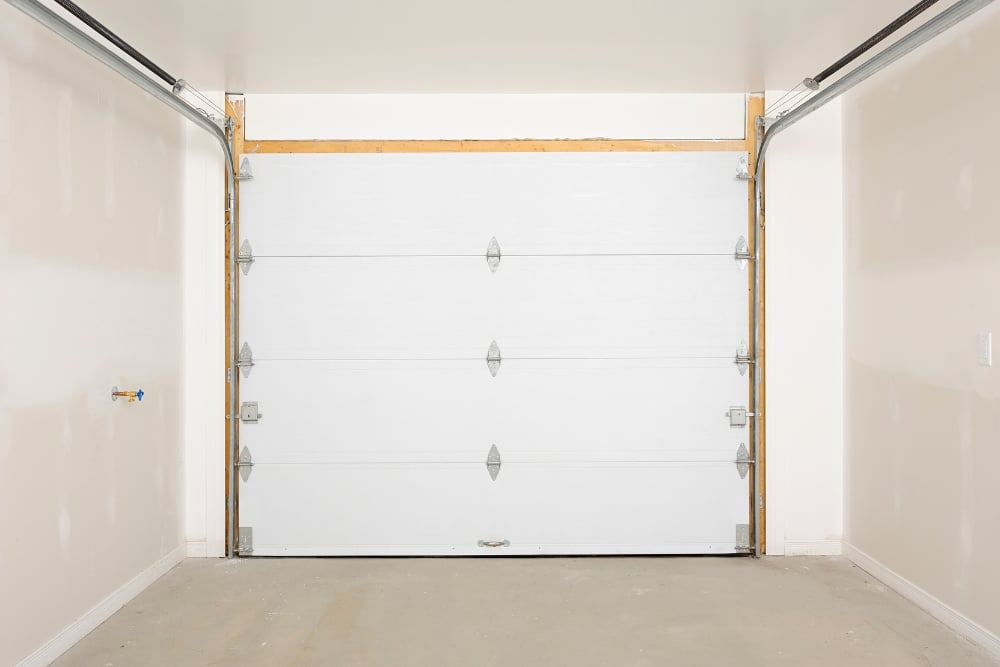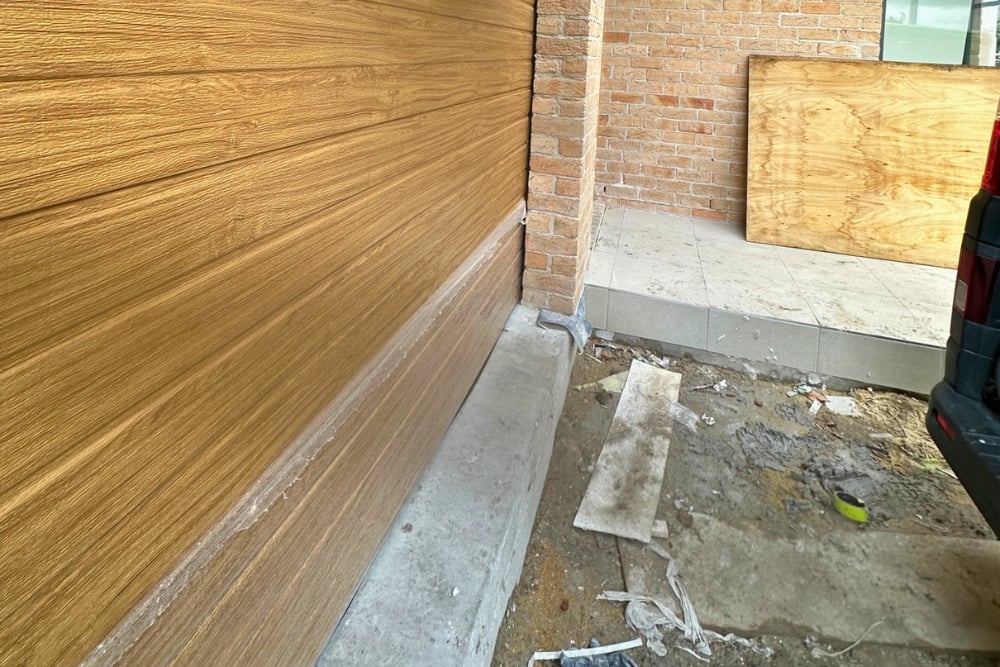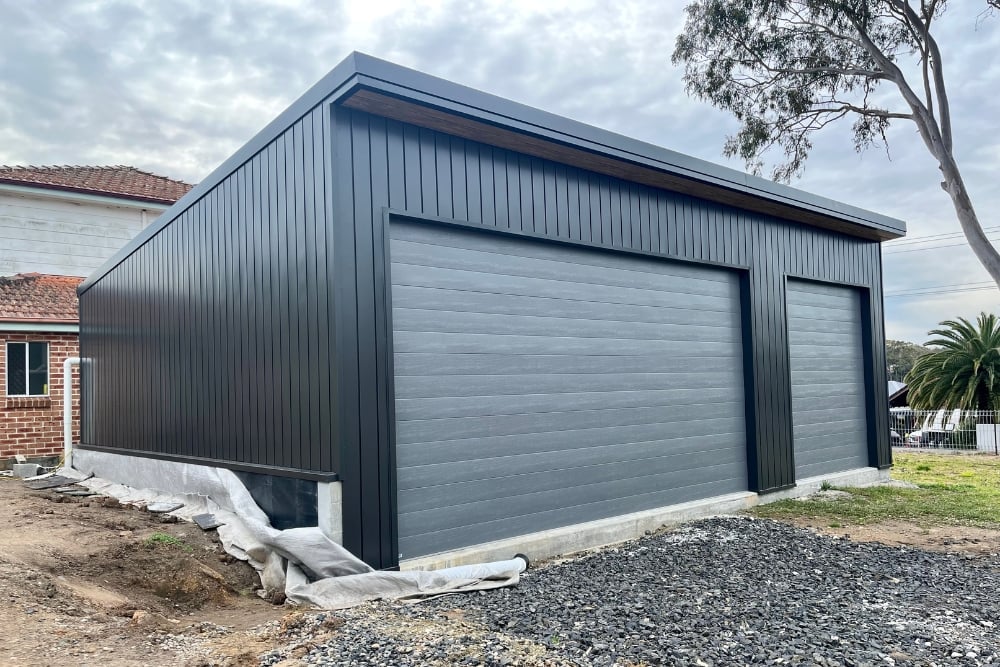
Yes. And more than most people realise.
It’s one of the most common things we see: a homeowner upgrades to a heavier door, keeps the old motor, and within 12-18 months they’re calling us because the opener is playing up. Sometimes it’s sluggish. Sometimes it stops mid-travel. Sometimes it just doesn’t do anything.
The motor didn’t fail because it was cheap or faulty. It failed because it was working harder than it was designed to, every single day.
Our garage doors come in a wide range of weights depending on material, size, and insulation. Getting the motor matched correctly to your door from the start saves a lot of headaches down the track.
How Opener Motors are Rated
Garage door openers are rated by the load they can handle, usually expressed in Newton metres (Nm) of torque or sometimes as a maximum door weight in kilograms. A standard residential motor might be rated for doors up to 80kg. A heavier-duty unit might handle 150kg or more.
What those ratings actually mean in practice: that’s the load the motor can lift consistently, at the correct speed, without overheating, for the life of the unit. It’s not the maximum weight the motor can budge if you push it. It’s the weight it can handle properly, every day, for years.
Run a door that’s 20kg over the motor’s rated capacity and it’ll still open. But the motor’s thermal cutout will trip more often, the drive mechanism will wear faster, and the lifespan of the unit will drop significantly.
The Real-World Impact
Think of it like towing. A ute rated to tow 2,000kg can probably physically pull 2,500kg in an emergency. But do it every day and you’ll be replacing the transmission well ahead of schedule.
Garage door motors work the same way. The wear happens gradually, so people don’t always connect the early failure to the door weight. They just think they got a dud motor.
A few specific things that happen when a motor is underpowered for the door:
Heat buildup. Motors generate heat under load. Too much load means too much heat. The thermal protection cuts the motor out, which is why some people find their door stops working after a few cycles and needs to “rest” before it’ll go again.
Drive system strain. Belt, chain, or screw drive systems all have load limits too. Excess weight causes premature wear on the drive rail, trolley, and drive mechanism.
Reduced travel speed. Some smart motors will slow down under excessive load as a self-protection measure. If your door has started moving noticeably slower than it used to, that’s worth paying attention to.
Sensor and safety issues. Auto-reverse systems are calibrated for a specific load range. A door that’s too heavy for the motor can cause erratic behaviour with the safety sensors.
What About Heavier Doors?
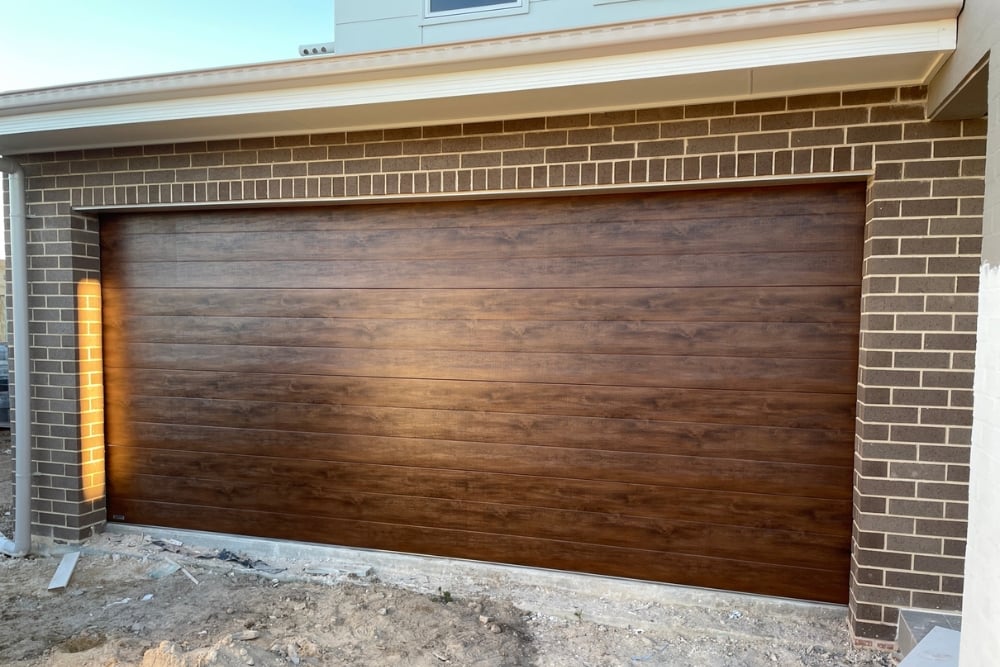
If you’re looking at a larger door, an insulated door, or a timber-look door, weight becomes a real consideration in motor selection. These doors can easily run 100-180kg for a double. That rules out a lot of the standard residential motors on the market.
How much does a sectional garage door weigh? covers the weight ranges for different door types in detail. It’s worth reading before you commit to a door style if you’re also planning to automate it.
The good news is that higher-capacity motors are widely available and not dramatically more expensive than standard units. The cost difference between a motor suited to an 80 kg door and one suited to a 150kg door is usually a few hundred dollars. The cost of replacing a burnt-out motor prematurely is more.
For anyone weighing up an insulated door specifically, do insulated doors require stronger openers? gets into this question in more depth.
Spring Balance Matters Too
One thing people miss: the motor doesn’t lift the full weight of the door on its own. That’s what the springs are for. A correctly balanced door, with torsion or extension springs properly set to the door’s weight, should be close to neutral when you lift it manually. The motor is really just moving a near-balanced load, not lifting dead weight.
When springs are worn, broken, or incorrectly set for the door weight, the motor has to compensate. This is probably the single biggest cause of premature motor failure we see, more common even than a mismatched motor rating.
So if you’re having motor issues, it’s worth checking the spring balance first. Lift the door manually (with the motor disconnected) and let go at waist height. It should stay roughly where you left it. If it drops or flies up, the springs need attention.
Choosing the Right Motor
When we help customers choose an opener, we look at a few things: the door weight, the door size, the cycle frequency (a door used 8-10 times a day in a busy household needs a more robust motor than one used twice), and whether there are specific features needed like battery backup or smart home integration.
Our garage door openers guide covers the full picture on motor types, drive systems, and what to look for when comparing units. If you’re not sure where to start, that’s a good place.
The short version: don’t size a motor to just get the door moving. Size it so the motor is running comfortably within its rated capacity with a reasonable margin. Your motor will last longer, run quieter, and give you fewer headaches.
Not Sure if Your Motor Is Coping?
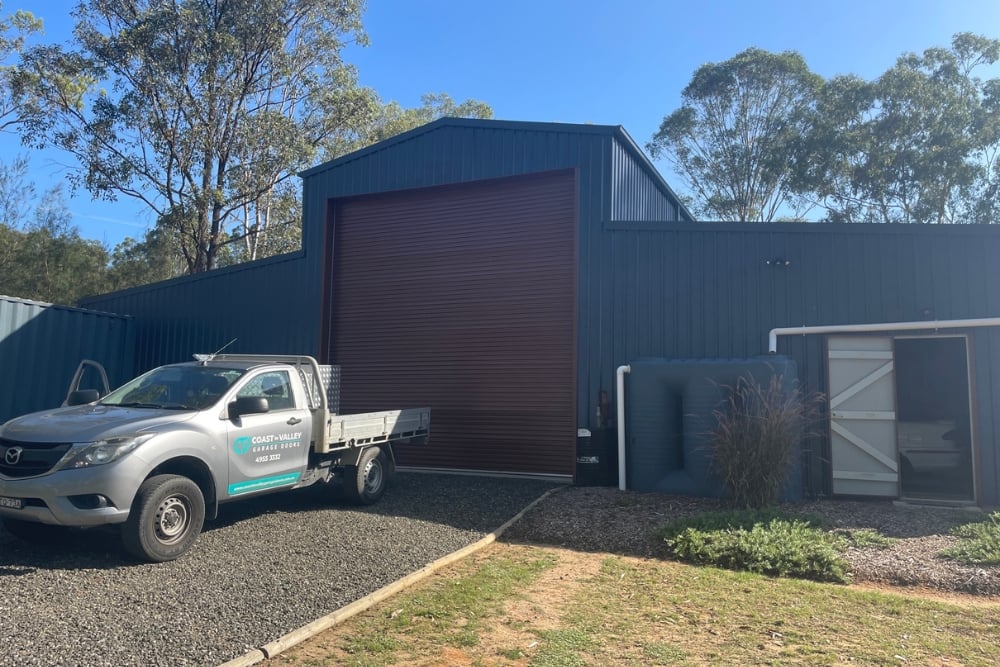
If your door is slower than it used to be, tripping the thermal cutout, or the motor just sounds like it’s working harder than it should, give us a call on 02 4955 3332. We cover Lake Macquarie, Newcastle, the Hunter Valley, Port Stephens, and the Central Coast. Sometimes it’s a simple spring adjustment. Sometimes the motor genuinely needs replacing. Either way, we’ll tell you straight.